Three reports released by the UN Environment Programme (UNEP) evaluate and summarize options for low carbon city planning, non-motorised transport (NMT) and infrastructure risks due to climate variability in India. The reports were published as part of the project on ‘Promoting Low Carbon Transport in India.’
Latest News
Intro Africa Foundation joins SLOCAT as a New Partner
Another strong voice joins the coalition! SLOCAT is happy to welcome Intro Africa Foundation to the transport partnership working collaboratively…
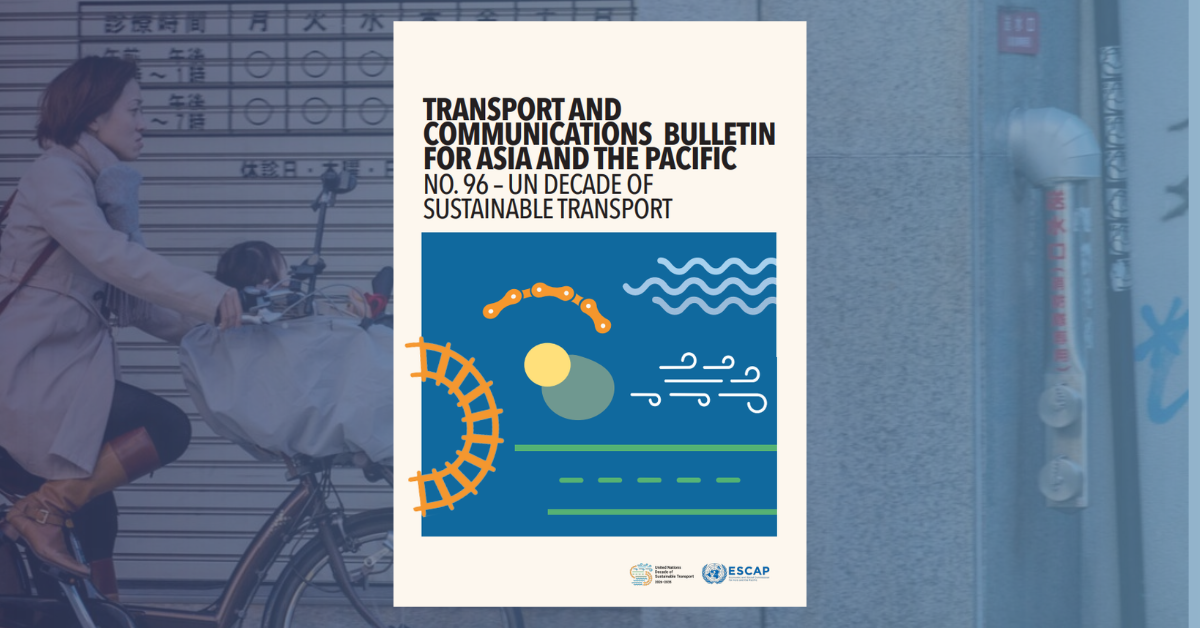
SLOCAT in Transport and Communications Bulletin for Asia and the Pacific, No. 96.
UN Decade of Sustainable Transport : The Case for a Unified Global Goal to Support the UN Decade of Sustainable…
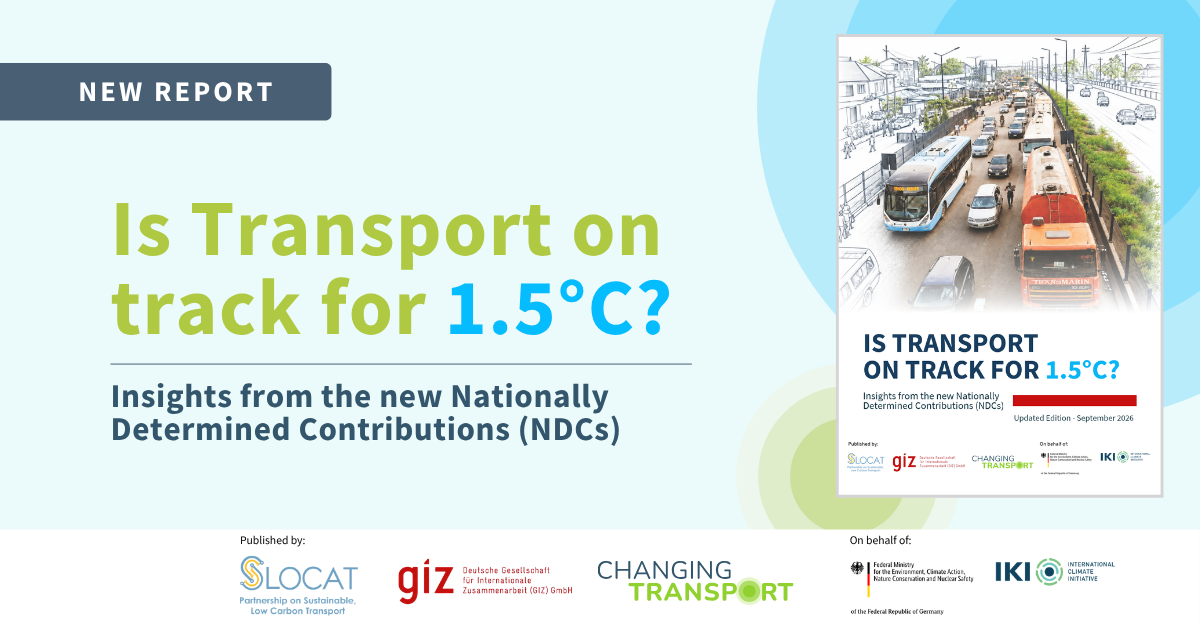
Is Transport on Track for 1.5°C?
Insights from the new Nationally Determined Contributions (NDCs) Updated Edition, September 2026 | Published by SLOCAT, GIZ and Changing Transport…
Technology Alone Won’t Fix Transport: Countries Are Still Missing the Bigger Picture
SLOCAT and GIZ released an updated version of their NDC analysis, now covering 128 new NDCs. The report finds that…
Overshoot Is Here. Transport Decides How High and How Long.
The world\'s emissions are slowing down. Transport\'s are not. New Emissions Database for Global Atmospheric Research (EDGAR) release, alongside UNEP\'s…
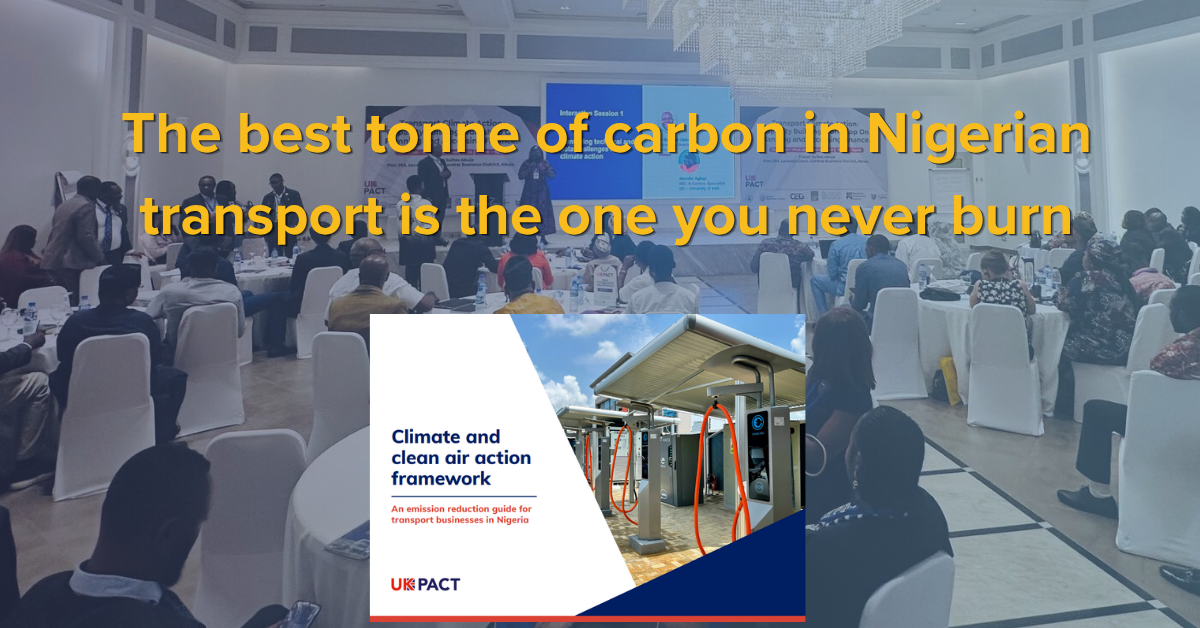
The best tonne of carbon in Nigerian transport is the one you never burn
Nigeria has set out where it wants to go. The Climate Change Act, an updated NDC, the Energy Transition Plan…
SLOCAT Welcomes Life-Links as New Partner
SLOCAT is pleased to welcome Life-Links to our global Partnership. Their focus on the resilience of transport and logistics brings…
SLOCAT Welcomes BYCS as New Partner
SLOCAT is delighted to welcome BYCS to our growing global Partnership. Their work placing cycling and community-led change at the…
SLOCAT Welcomes Bright Smile Empowerment Initiative as New Partner
SLOCAT is glad to welcome Bright Smile Empowerment Initiative (BSEI) to our growing global Partnership. Their work building a culture…
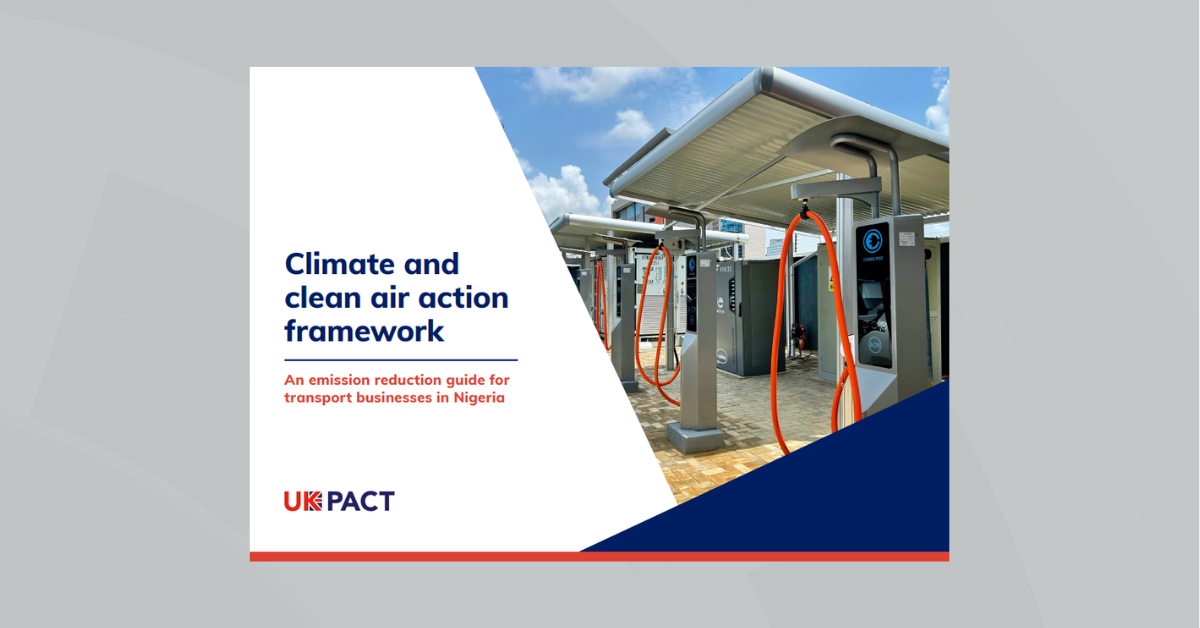
Climate and Clean Air Action Framework for Transport in Nigeria
A practical guide for transport businesses that want to cut emissions, clean up the air they exhaust and become ready…

SLOCAT is the international, multi-stakeholder partnership powering systemic transformations and a just transition towards equitable, healthy, green and resilient transport and mobility systems for the people and the planet.
Related News
Intro Africa Foundation joins SLOCAT as a New Partner
Another strong voice joins the coalition! SLOCAT is happy to welcome Intro Africa Foundation to the transport partnership working collaboratively to advance sustainable, low-carbon transport for all. The foundation's work centers around showcasing Africa’s emerging...
SLOCAT in Transport and Communications Bulletin for Asia and the Pacific, No. 96.
UN Decade of Sustainable Transport : The Case for a Unified Global Goal to Support the UN Decade of Sustainable Transport SLOCAT’s team has authored an article in the latest edition of the Transport and Communications Bulletin for Asia and the Pacific, No. 96....
Technology Alone Won’t Fix Transport: Countries Are Still Missing the Bigger Picture
SLOCAT and GIZ released an updated version of their NDC analysis, now covering 128 new NDCs. The report finds that governments are still overwhelmingly backing technology-led solutions while neglecting the systemic changes needed to put transport on a 1.5°C pathway....
Overshoot Is Here. Transport Decides How High and How Long.
The world's emissions are slowing down. Transport's are not. New Emissions Database for Global Atmospheric Research (EDGAR) release, alongside UNEP's overshoot report, shows why the transition away from fossil fuels will be won or lost on our roads, rails, ports and...
The best tonne of carbon in Nigerian transport is the one you never burn
Nigeria has set out where it wants to go. The Climate Change Act, an updated NDC, the Energy Transition Plan and a target of net zero by 2060 describe a clear destination. Getting there is a different question, and much of the answer lies with the government,...