Busines for Social Responsibility (BRS) issued a summary report to distill key findings on the effects of transport on climate change from the recently released Intergovernmental Panel on Climate Change (IPCC) Fifth Assessment Report. The report includes implications for road, rail, air, and shipping and is part of BSR’s Business in a Climate-Constrained World Initiative.
Key findings on transport from the IPCC Fifth Assessment Report include:
- Impacts of climate change—including more intense droughts and floods, heat waves, thawing permafrost, and sea-level rise—could damage transport infrastructure such as roads, railways, and ports, requiring extensive adaptation and changes to route planning in some regions.
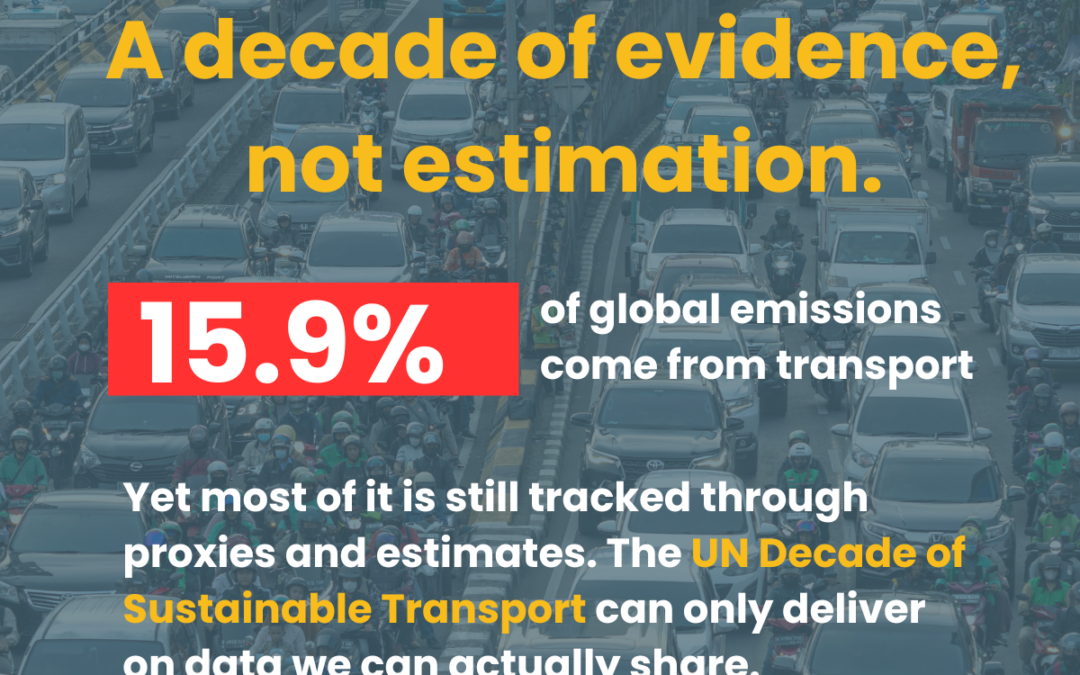
- Transport accounts for about a quarter of global energy-related carbon emissions. This contribution is rising faster than for any other energy end-use sector. Without aggressive and sustained policy intervention, direct transport carbon emissions could double by 2050.
- Cutting carbon emissions from transport is challenging given the continuing growth in demand and the slow turnover of stock and infrastructure. Despite a lack of progress to date, the transition required to dramatically reduce emissions could arise from new technologies, implementation of stringent policies, and behavioral change.
- Many energy-efficiency measures have a positive return on investment. Examples such as improving aerodynamics, cutting vehicle weight, and bringing engines up to leading-edge standards could cut energy consumption by 30 to 50 percent by 2030. Some of these measures have a negative lifetime cost.
- Efficient, low-carbon transport systems have significant co-benefits, such as better access to mobility services for the poor, time-saving, energy security, and reduced urban pollution leading to better health. Integrated, far-sighted planning can create resilient low-carbon emission transport networks, particularly in new urban areas.
BSR’s summary report also examines the impacts of climate change and considerations by sector of the industry: road, rail, air, and ocean transport. And it looks at opportunities for building climate resilience (through land infrastructure, rail systems, inland waterways, and coastal adaptation) and for mitigating greenhouse gas emissions (through modal shifts, demand reduction, vehicle efficiency, reduction in carbon intensity, and policy intervention).
You can download this report on BSR’s website in here.