Transport Greenhouse Gas Emissions Databases and Supporting Analyses

Aug 7, 2015


SLoCaT has developed 3 databases as tools for governments and low carbon project developers. These databases build on existing information and the official submissions by countries to the UNFCCC on their Greenhouse Gas (GHG) emissions. Our analysis produces projections for transport and a series of country specific factsheets have been prepared which give a full overview of each countries transport GHG situation in an illustrative and intuitive format. The databases are listed below and can be downloaded in excel format.


  1. Overview of Transport in National Communications and Biennial Update Reports (Latest version, 22/07/15)
  2. Transport INDC Database (Latest version, 22/07/15)
  3. Transport Sector Business-as-usual (BAU) Projections (Version Pending)
  4. Overview of Transport Mitigation Potential Studies (Latest version, 22/07/15)
  5. National-Level Transport Emissions Factsheets (Latest version, 22/07/15)
  6. Transport GHG Methodology Assessment Database (Latest version, 17/04/15)


A detailed outline and objectives of the existing and forthcoming knowledge products are presented in the methodological note (LINK).


To guide the SLoCaT Partnership in its ongoing work on transport sector GHG analysis, it is intended to establish a review panel of external experts. The review panel can also play a role in recommending research directions after COP21. If you are interested to participate in the review panel, please contact Karl Peet at karl.peet@slocatpartnership.org.
Latest News

SLOCAT is the international, multi-stakeholder partnership powering systemic transformations and a just transition towards equitable, healthy, green and resilient transport and mobility systems for the people and the planet.

Related News
Transport is the lever, not the sector

Transport is the lever, not the sector

SLOCAT's input to the COP30 Presidency roadmap argues By acting on transport systems, the transition away from fossil fuels can be accelerated across multiple sectors, simultaneously delivering climate, economic,and social outcomes in parallelThe submission is now...

From Chile to Ethiopia: the hard part was never the buses

From Chile to Ethiopia: the hard part was never the buses

The Climate High-Level Champions have published a new piece tracing two electrification journeys, from Santiago's rise to the largest electric bus fleet outside China to Addis Ababa's plan to put 850 electric buses on the road by the time Ethiopia hosts COP32. We were...

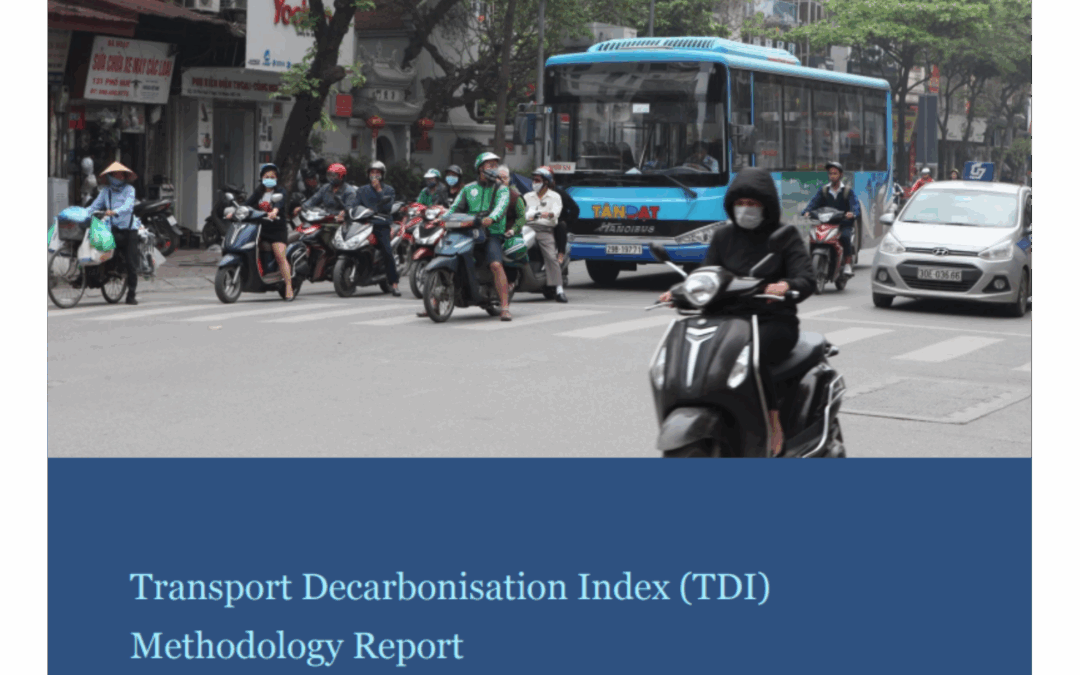
Transport Decarbonisation Index (TDI) Methodology Report

Transport Decarbonisation Index (TDI) Methodology Report

Publication Date: September 2024 Developed under the High Volume Transport (HVT) programme funded by UK International Development through the Foreign, Commonwealth & Development Office (FCDO),  the Transport Decarbonisation Index (TDI) initiative. This Methodology...

Decent Jobs for Sustainable Transport

Decent Jobs for Sustainable Transport

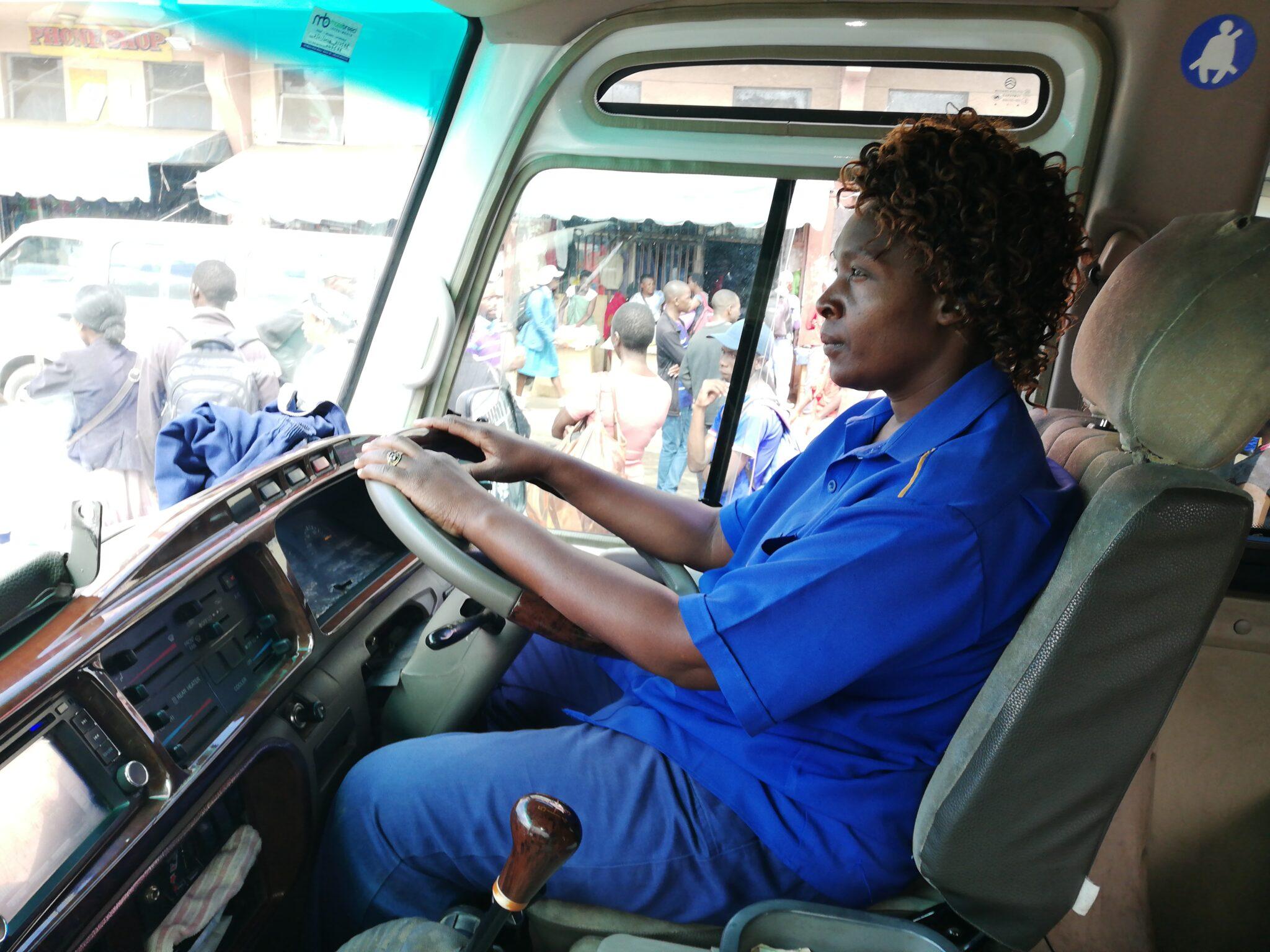
by Philip Turner, Head of Sustainable Development, International Association of Public Transport (UITP) Photo by Farai Shawn Matiashe. Retrieved from africanarguments.org Public transport, in combination with active and micro mobility, is already the most climate...