The European Environment Agency (EEA) released its “Annual Management Plan 2013” outlining the EEA work programme which will address a broad range of issues including: air quality and noise; air pollutant emissions; climate change mitigation; climate change adaptation; energy; and transport.
Latest News
Transport and Climate Change Briefing Note for SB64 in Bonn.
Executive Summary: Transport at SB64 — What You Need to Know Transport is off-track for 1.5°C but central to delivering…
SLOCAT in IISD: the time to phase out fossil fuels was 50 years ago. The next best time is now.
SLOCAT Secretary General Carly Gilbert-Patrick has co-authored a new op-ed for IISD\'s SDG Knowledge Hub with Rana Adib, Executive Director…
Data and Transparency Deficits Are Slowing Transport Down. The Glasgow Declaration Is the Fix.
A new global declaration on transport data, signed by 42 organisations across five continents, sets out what it will take…
From Leipzig to a Global Goal: SLOCAT at the ITF Summit 2026
The 2026 ITF Summit in Leipzig brought together transport ministers, multilateral institutions, financiers, operators, and civil society around the theme…
Fossil Fuel Subsidies Hit $7 Trillion: Why Transport Can’t Decarbonise Without Reform
$7 trillion. That\'s what governments spent on fossil fuel subsidies in 2023. The same year of the first Global Stocktake.…
The Freight Sector Has a Blind Spot. This New Global Survey Wants to Fix It.
The Global Sustainable Logistics Survey launches in 2026 to track progress on decarbonising freight and supply chains over the next…
SLOCAT is hiring: Programme Manager
The SLOCAT Partnership is looking for a Programme Manager to advance our technical and operational work at the nexus of…
SLOCAT is hiring: Director of Advocacy and Engagement
The SLOCAT Partnership is looking for a Director of Advocacy and Engagement to lead the strategic direction and delivery of…
Charting the Course: A New Roadmap for Transforming Freight Transport and Logistics
Freight transport and logistics sits at the heart of the global economy, moving the goods that sustain livelihoods, supply chains,…
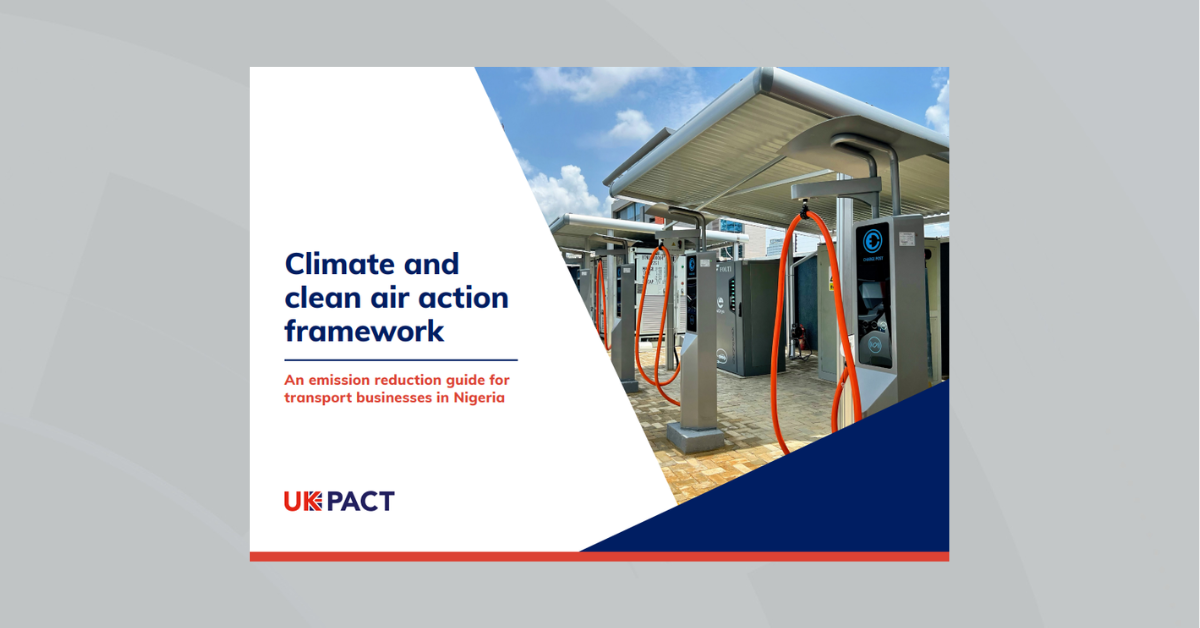
Driving decarbonization: how Nigeria’s private sector is turning transport ambition into action
The heat in Nigeria is no longer just a topic of casual conversation; it is a lived reality. In a…

SLOCAT is the international, multi-stakeholder partnership powering systemic transformations and a just transition towards equitable, healthy, green and resilient transport and mobility systems for the people and the planet.
Related News
SLOCAT in IISD: the time to phase out fossil fuels was 50 years ago. The next best time is now.
SLOCAT Secretary General Carly Gilbert-Patrick has co-authored a new op-ed for IISD's SDG Knowledge Hub with Rana Adib, Executive Director of REN21. The piece makes a simple argument. Fifty years after the first oil shock, fossil fuels still supply 95% of transport...
Data and Transparency Deficits Are Slowing Transport Down. The Glasgow Declaration Is the Fix.
A new global declaration on transport data, signed by 42 organisations across five continents, sets out what it will take to make the UN Decade of Sustainable Transport a decade of evidence rather than estimation. Here is why it matters, and how to add your name. The...
From Leipzig to a Global Goal: SLOCAT at the ITF Summit 2026
The 2026 ITF Summit in Leipzig brought together transport ministers, multilateral institutions, financiers, operators, and civil society around the theme of resilience. For SLOCAT, it was a moment to push a single message into the heart of the global transport...
Fossil Fuel Subsidies Hit $7 Trillion: Why Transport Can’t Decarbonise Without Reform
$7 trillion. That's what governments spent on fossil fuel subsidies in 2023. The same year of the first Global Stocktake. The same year EV sales broke records. The same year transport emissions hit new highs. In a single year, governments spent enough on fossil fuel...
The Freight Sector Has a Blind Spot. This New Global Survey Wants to Fix It.
The Global Sustainable Logistics Survey launches in 2026 to track progress on decarbonising freight and supply chains over the next decade. Here is what it means for the transport community, and how you can contribute. Freight transport underpins the global economy....