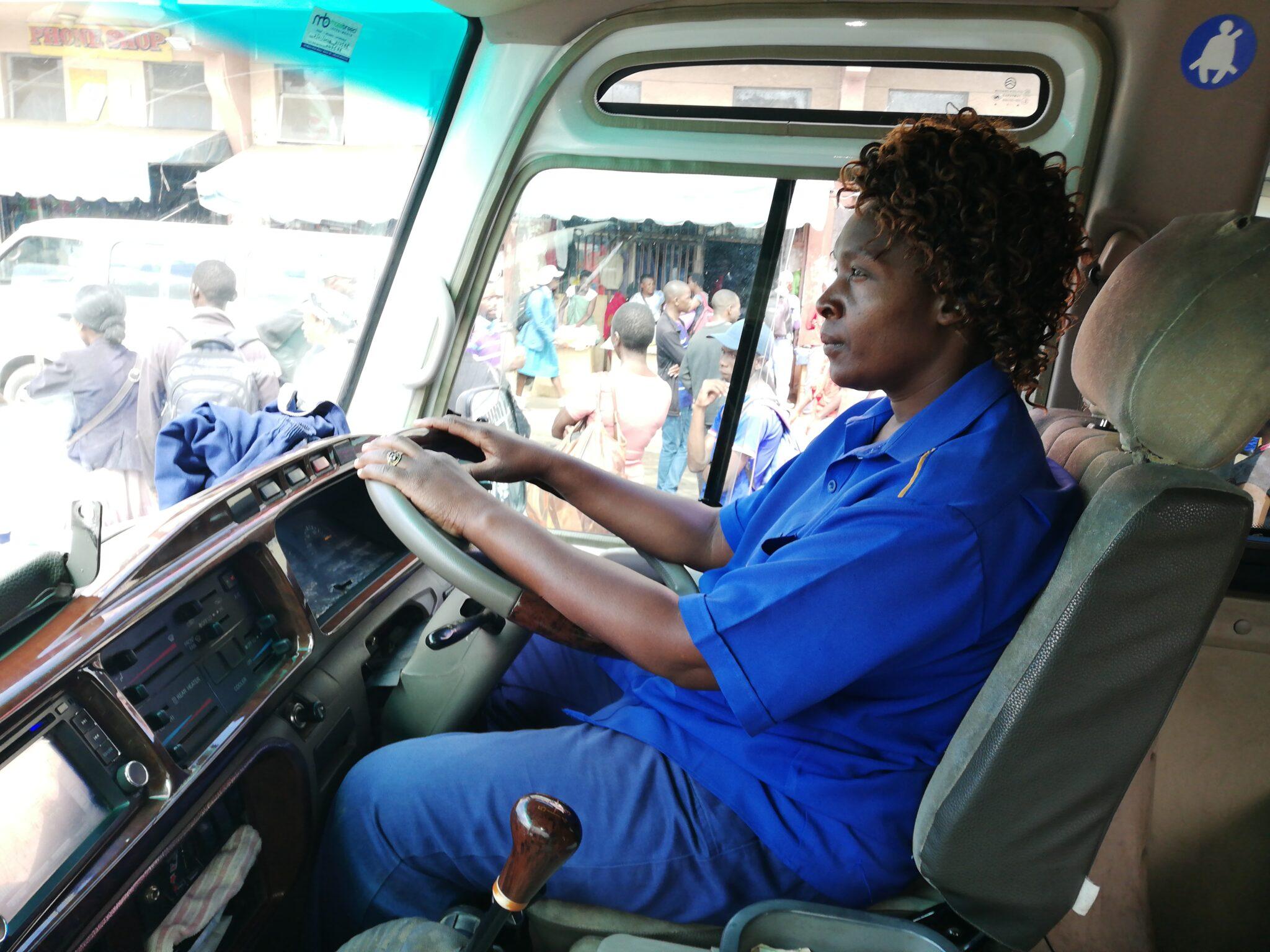
The Climate High-Level Champions have published a new piece tracing two electrification journeys, from Santiago’s rise to the largest electric bus fleet outside China to Addis Ababa’s plan to put 850 electric buses on the road by the time Ethiopia hosts COP32. We were glad to support the Champions team as they shaped the story, and to see SLOCAT quoted in the final piece.
What makes the article worth reading is where it lands. The vehicles are rarely the hard part. Chile went from two electric buses to more than 4,000 in nine years because the system around the fleet was durable enough to survive a change of government, and because its operators could learn from others who had gone first. The real constraint, in Santiago as in Addis Ababa, is people: the technicians, engineers, depot planners and procurement teams who make a fleet run. That is a bottleneck you close by building skills and sharing knowledge, not by buying more buses.
The piece also names the gap we keep pointing to. Energy has quantified global goals, to triple renewables and double efficiency. Transport has none. There is still no agreed target for how the world moves people and goods, which leaves policy and investment without a shared destination to align around. Closing that gap, through a Global Goal on Transport, is exactly what we are working toward.
We are especially glad to see two members of our board featured. Juan Carlos Muñoz, Chile’s Former Minister of Transport and Telecommunications, speaks to how a clear long-term target carried Chile’s fleet across a political transition. Philip Turner, from UITP, sets out why the next phase depends on sharing technical knowledge that too often stays siloed.
Set the destination clearly, then build the system to reach it. It is how Chile got from two buses to 4,000, and it is how everyone else can move faster.