Decisions on transport policies and investments determine whether economies can grow and communities become more inclusive while reducing emissions and improving air quality. While countries may start from different contexts, a quantified global goal for transport will provide a shared direction for expanding inclusive, climate-compatible, and resilient transport systems and services worldwide. It will drive coordinated action at scale and enable solutions tailored to local needs for lasting impact. On the road to the first-ever UN Decade of Sustainable Transport (2026-2035), and to implement what countries agreed at the first Global Stocktake of the Paris Agreement in 2023, we need clear ministerial leadership to guide the many actors eager to set a global goal for transport. National and sub-national governments, business, and civil society are ready to act but without coordinated direction and multi-level governance, efforts risk fragmentation. Ministers can set the vision, align incentives, and channel this momentum into a structured process toward setting a global goal for transport.
Latest News
SLOCAT is Pleased to Appoint Carly Gilbert-Patrick as New Secretary General
Carly brings over 25 years of leadership experience in fields including health, law and transport. For the last 16 years…
Transport in COP30 Outcomes
COP30 Belém was dubbed as the “implementation COP”, after years of negotiations on the Paris Agreement rules and amidst mounting…
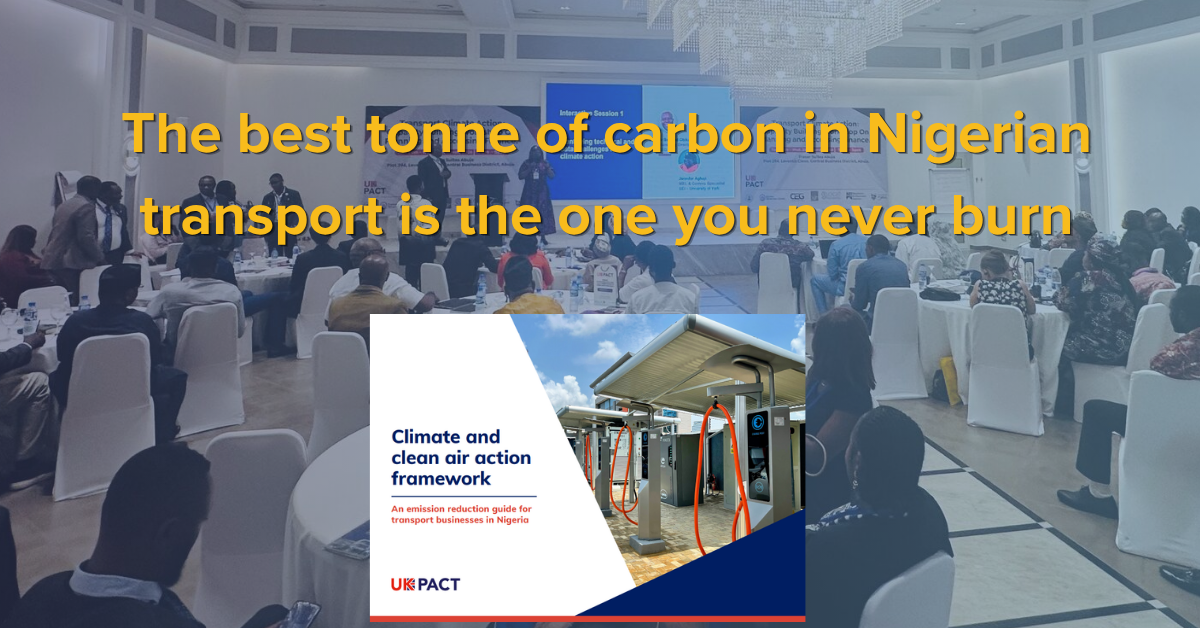
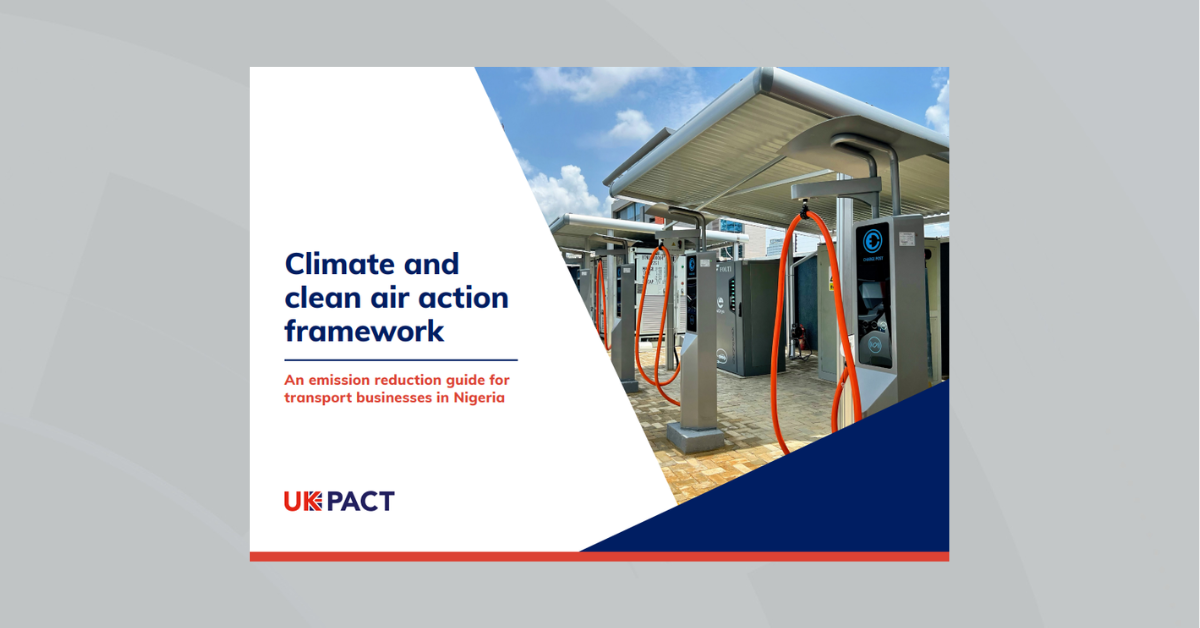
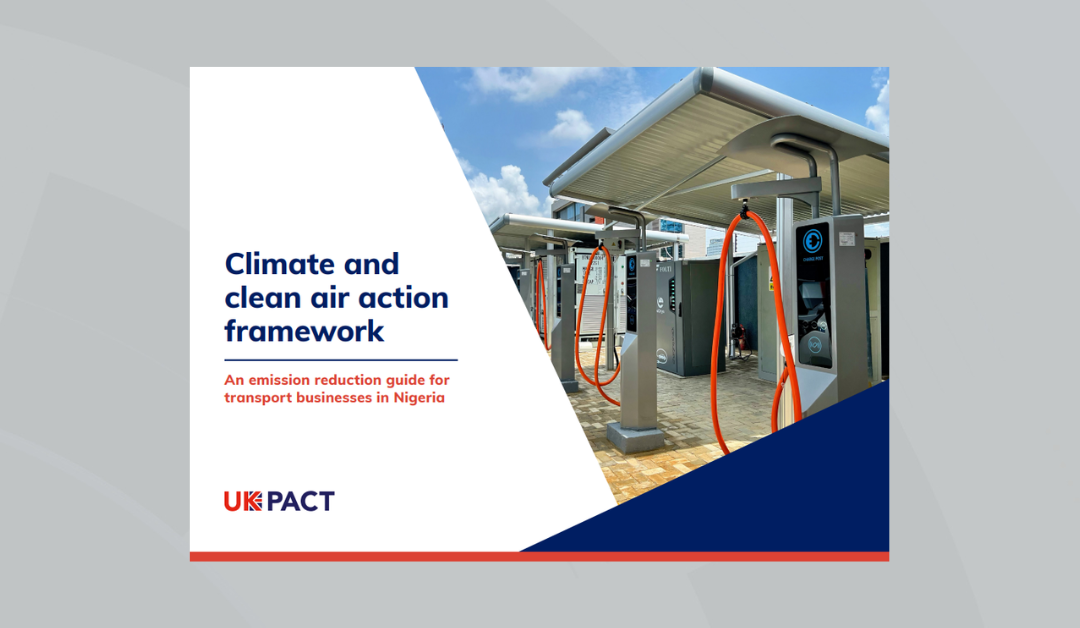
Empowering Nigerian businesses to reduce their transport-related air pollution and greenhouse gas emissions
Air pollution and greenhouse gas emissions are among Nigeria’s most urgent economic and public health problems, with transport accounting for…
Bridging Generations for a Zero-Emission Future
Young Leaders’ Perspectives for Just Transformations to Sustainable TransportSLOCAT and the Volvo Research and Educational Foundations (VREF) launched in May…
SLOCAT In the Media: Energy Tracker Asia
Extract of the Article below: At COP30, Transportation Emissions Remain a Big Hurdle COP30 highlighted a critical gap: despite…
UK PACT starts national initiative to strengthen private sector capacity for climate and clean air action in Nigeria
Today, with the start of the UK PACT national initiative to strengthen private sector capacity for climate and clean air…
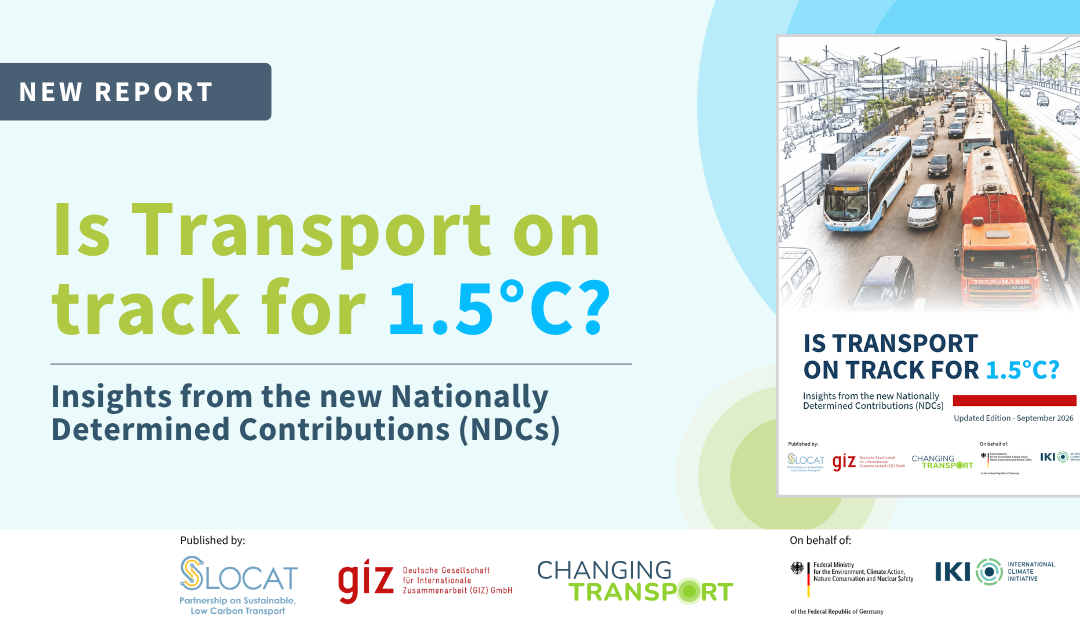
Transport in Third-generation NDCs – November 2025
Transports in NDCs 3.0 : An Analysis by GIZ and SLOCAT The year 2025 marks a crucial juncture for advancing…
Connecting Systems Transformation: The Transport-EnergyNexus for Decarbonisation, Shared Prosperity and Resilience
We are delighted to publish with our dear partners REN21 this very important Memo, on the Transport and Energy Thematic…
Transport in a Crisis Era: Press Release
Transport in a Crisis Era: New Report Calls for Bold, Just, and Sustainable Transformation of Transport Systems for People and…
It’s Time to Set a Global Goal for Transport
Decisions on transport policies and investments determine whether economies can grow and communities become more inclusive while reducing emissions and…

SLOCAT is the international, multi-stakeholder partnership powering systemic transformations and a just transition towards equitable, healthy, green and resilient transport and mobility systems for the people and the planet.
Other Publications
Transport in COP30 Outcomes
COP30 Belém was dubbed as the “implementation COP”, after years of negotiations on the Paris Agreement rules and amidst mounting climate change impacts worldwide. While it kept the global climate process alive at a time of strained multilateralism, it fell short of...
Bridging Generations for a Zero-Emission Future
Young Leaders’ Perspectives for Just Transformations to Sustainable TransportSLOCAT and the Volvo Research and Educational Foundations (VREF) launched in May 2019, the Young Leaders in Sustainable Transport programme. The programme builds bridges between the transport...
Transport in Third-generation NDCs – November 2025
Transports in NDCs 3.0 : An Analysis by GIZ and SLOCAT The year 2025 marks a crucial juncture for advancing sustainable, low-carbon transport. Countries are expected to submit updated Nationally Determined Contributions (NDCs) with enhanced 2035 targets, referred to...
Connecting Systems Transformation: The Transport-EnergyNexus for Decarbonisation, Shared Prosperity and Resilience
We are delighted to publish with our dear partners REN21 this very important Memo, on the Transport and Energy Thematic day at COP30 in Belèm. Energy and transport are deeply interconnected: Transport relies on energy to move people and goods, and energy...
Transport in a Crisis Era:Seizing Opportunities for a Just, Sustainable Transformation
According to IPCC transport emissions need to drop at least by 59% by 2050 compared to 2020 levels to stay within 1.5°C warming. Transport is the lifeline of our societies and economies connecting people and the economies, yet the sector is a leading contributor to...