
UNIFE is an association that represents the European Rail Industry. UNIFE gathers 76 of Europe’s leading large and medium-sized rail supply companies active in the design, manufacture, maintenance and refurbishment of rail transport systems, subsystems and related equipment. A further one thousand suppliers of railway equipment partake in UNIFE activities through 15 national rail industry associations. UNIFE members have an 80% market share in Europe and supply more than 50% of the worldwide production of rail equipment and services.
World Bank
The World Bank is a vital source of financial and technical assistance to developing countries around the world. The organization functions as a unique partnership to reduce poverty and supplement development.
The World Bank Group has set two goals for the world to achieve by 2030:
Uganda Road Sector Support Initiative (URSSI)
Uganda Road Sector Support Initiative (URSSI) is a Not-for-Profit Non Governmental Organization that was established in 2009 to facilitate coherent and timely development and planning of road transport and urban development in Uganda with particular emphasis on roads, municipal planning and sustainable transport management both in rural and urban areas. Our advocacy programmes propose a strong link between road development and urban planning to mitigate future urban sprawl and congestion thus promoting sustainable development through smarter transport systems.
International Road Assessment Programme(iRAP)
The International Road Assessment Programme (iRAP) is a registered charity dedicated to saving lives through safer roads.
iRAP works in partnership with government and non-government organisations to:
Walk 21
Walk21 leads an international network of professionals inspired to meet the needs of people who walk. Our aim is:
First African Bicycle Information Organization (FABIO)
FABIO is a non governmental and non profit making organisation registered in the Ministry of Internal Affairs with national NGO registration Board. The main objective of FABIO is to popularise the use of sustainable transport we advocate for all inclusive transport planning for both rural and urban areas for sustainable improved quality of life.
World Health Organization (WHO)
World Health Organization (WHO) is the directing and coordinating authority for health within the United Nations system. It is responsible for providing leadership on global health matters, shaping the health research agenda, setting norms and standards, articulating evidence-based policy options, providing technical support to countries and monitoring and assessing health trends.
In the 21st century, health is a shared responsibility, involving equitable access to essential care and collective defence against transnational threats.
Contact Us:
Despacio
Despacio is a non-profit organization that conducts research to promote quality of life in all stages of the life cycle and works in productive, educative and reproductive sectors, seeking to challenge the intuitive in their respective fields of knowledge by performing applied research to improve the welfare of the community in general.
United Nations Economic Commission for Europe (UNECE)
The United Nations Economic Commission for Europe (UNECE) was set up in 1947 by ECOSOC. It is one of five regional commissions of the United Nations. UNECE’s major aim is to promote pan-European economic integration. To do so, it brings together 56 countries located in the European Union, non-EU Western and Eastern Europe, South-East Europe and Commonwealth of Independent States (CIS) and North America. All these countries dialogue and cooperate under the aegis of UNECE on economic and sectoral issues.

SLOCAT is the international, multi-stakeholder partnership powering systemic transformations and a just transition towards equitable, healthy, green and resilient transport and mobility systems for the people and the planet.
Latest News
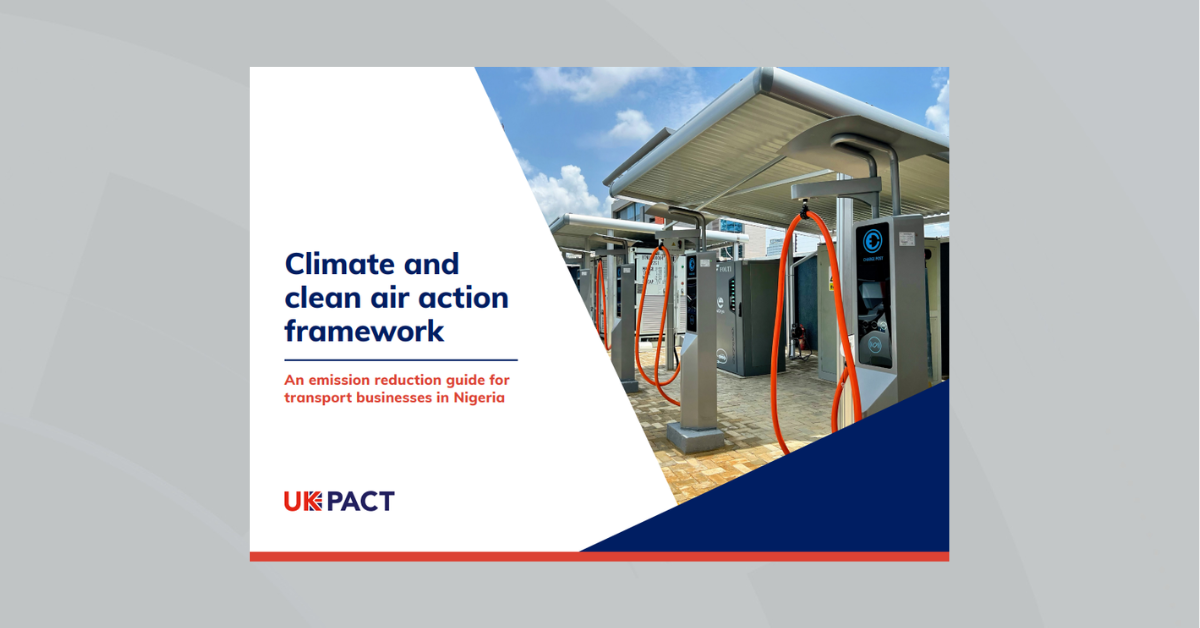
Climate and Clean Air Action Framework for Transport in Nigeria
A practical guide for transport businesses that want to cut emissions, clean up the air they exhaust and become ready…
Transport delivers every SDG. So why doesn’t it have a goal?
At HLPF 2026, water and energy were described as the \'delivery system\' for every other Sustainable Development Goal. But Infrastrucutre,…
Ambition to Impact: The UN Decade of Sustainable Transport Needs Data & Accountability
The world does not lack ambition for sustainable transport. But what it now needs is a shared framework supported by…

Transport is the lever, not the sector
SLOCAT\'s input to the COP30 Presidency roadmap argues By acting on transport systems, the transition away from fossil fuels can…

Transport in the newest NDCs, region by region
Climate ambition is pledged nationally. But transport gets decarbonised in places: in a Pacific port, on a freight corridor between…

From Chile to Ethiopia: the hard part was never the buses
The Climate High-Level Champions have published a new piece tracing two electrification journeys, from Santiago\'s rise to the largest electric…

Transport and Climate Change Briefing Note for SB64 in Bonn.
Executive Summary: Transport at SB64 — What You Need to Know Transport is off-track for 1.5°C but central to delivering…
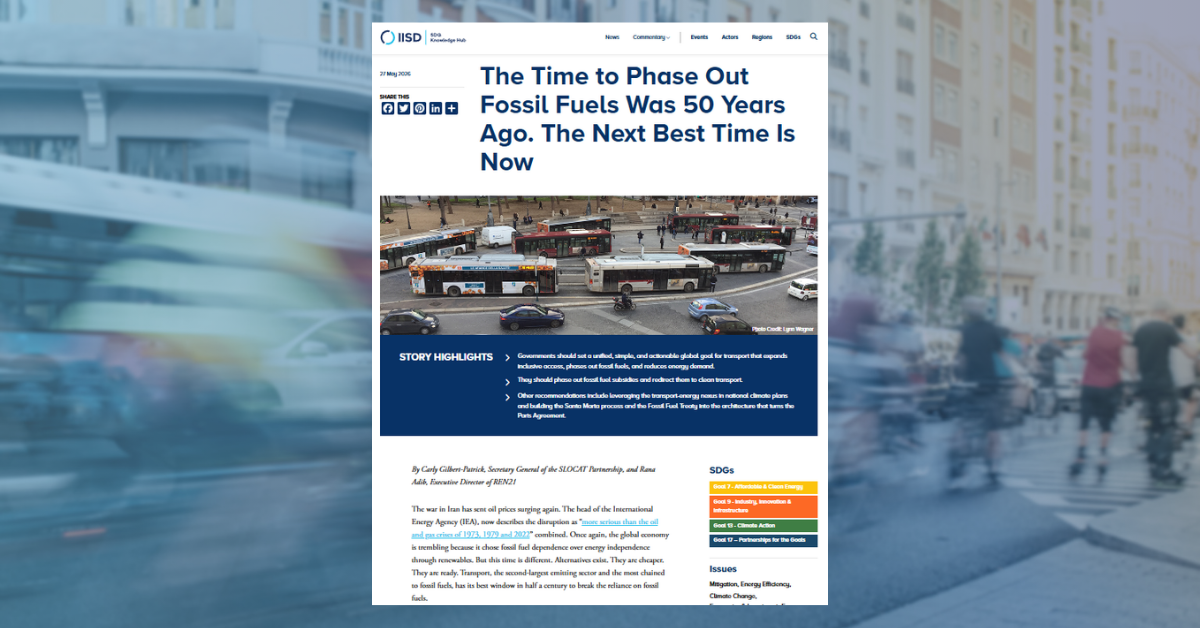
SLOCAT in IISD: the time to phase out fossil fuels was 50 years ago. The next best time is now.
SLOCAT Secretary General Carly Gilbert-Patrick has co-authored a new op-ed for IISD\'s SDG Knowledge Hub with Rana Adib, Executive Director…
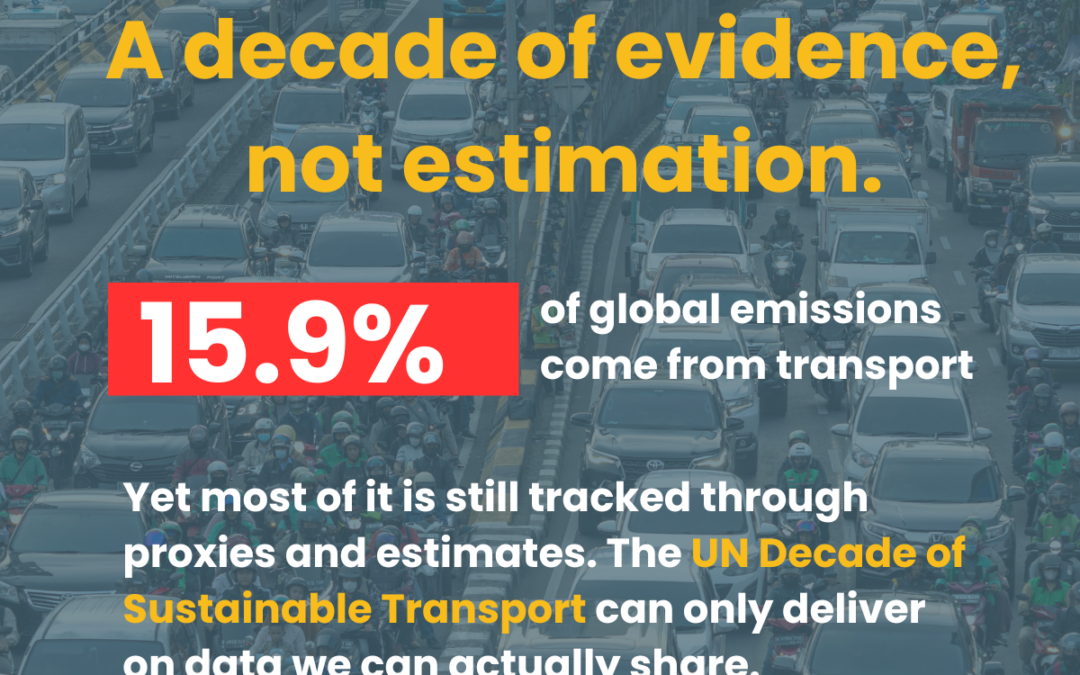
Data and Transparency Deficits Are Slowing Transport Down. The Glasgow Declaration Is the Fix.
A new global declaration on transport data, signed by 42 organisations across five continents, sets out what it will take…
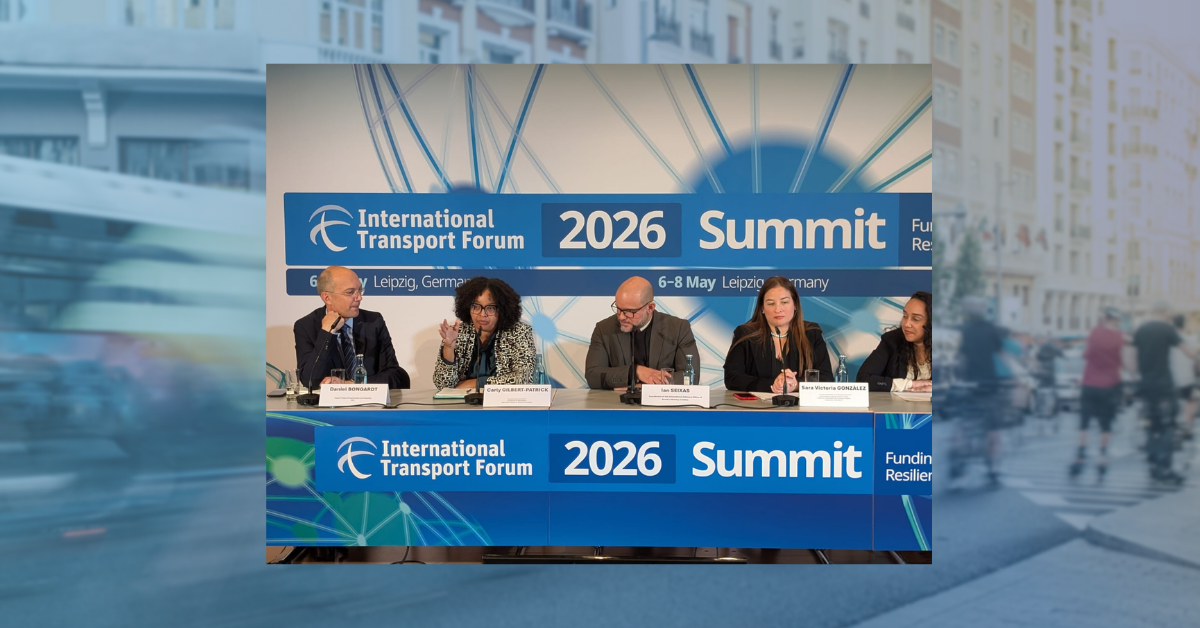
From Leipzig to a Global Goal: SLOCAT at the ITF Summit 2026
The 2026 ITF Summit in Leipzig brought together transport ministers, multilateral institutions, financiers, operators, and civil society around the theme…