
The FIA Foundation is an independent UK registered charity which supports an international programme of activities promoting road safety, the environment and sustainable mobility.
Africa Transport Policy Program (SSATP)
The Africa Transport Policy Program (SSATP) is an international partnership to facilitate policy development and related capacity building in the transport sector in Africa. It comprises 38 countries, eight Regional Economic Communities, public and private sector organizations, and international development agencies and organizations.
United Nations Economic and Social Commission for Asia and the Pacific (ESCAP)
CODATU
Cooperation for urban mobility in the developing world (CODATU) was created in 1980 following a seminal international conference on urban transport in Dakar, Senegal. CODATU is an international non-profitmaking organization whose aim is to promote international exchanges between the various players in the transport and urban mobility sector: public authorities, companies, and urban transport research institutes and professionals.
HealthBridge
HealthBridge’s Livable Cities program aims to improve health, equity, and the environment in developing countries by focusing on how cities are planned, designed, built, and adapted. Currently we have projects in Bangladesh, India, Nepal, Sri Lanka, and Vietnam. Through this program we aim to:
European Cyclists' Federation (ECF)
The European Cyclists’ Federation (ECF) is pledged to ensure that bicycle use achieves its fullest potential so as to bring about sustainable mobility and public well-being in Europe and beyond.
The purpose of the ECF is namely to promote and encourage cycling in the countries of Europe and beyond as an economic, effective, healthy, and environmentally respectful means of transport and recreation, and to enhance the status of cycling and to promote the recognition of its benefits for the individual as well as for society as a whole.
European Bank for Reconstruction and Development (EBRD)
About European Bank for Reconstruction and Development (EBRD)
The EBRD is an international financial institution that supports projects in 34 countries across central and eastern Europe, central Asia and the southern and eastern Mediterranean. Investing primarily in private sector clients whose needs cannot be fully met by the market, the Bank is the largest investor in the region and it fosters transition towards open and democratic market economies
Institute for Transport Studies (ITS), University of Leeds, UK
The Institute for Transport Studies is a free-standing academic department of the University of Leeds and part of the Faculty of Environment. ITS is a leading international centre for transport research. ITS has for a number of years been conducting research which seeks to advance the understanding of sustainability and transport and to develop policies and techniques which allow this to be put in to action.
International Road Federation (IRF)
Established in 1948, IRF is a membership-based organisation, representing leading corporate and institutional players drawn from the road infrastructure sector worldwide. Its mission is to promote the development of roads and road networks that enable access and sustainable mobility for all. Its approach is centred on three key strategic components:
1. Knowledge transfer & information sharing;
2. Connecting people, businesses and organisations;
3. Policy & Advocacy.

SLOCAT is the international, multi-stakeholder partnership powering systemic transformations and a just transition towards equitable, healthy, green and resilient transport and mobility systems for the people and the planet.
Latest News
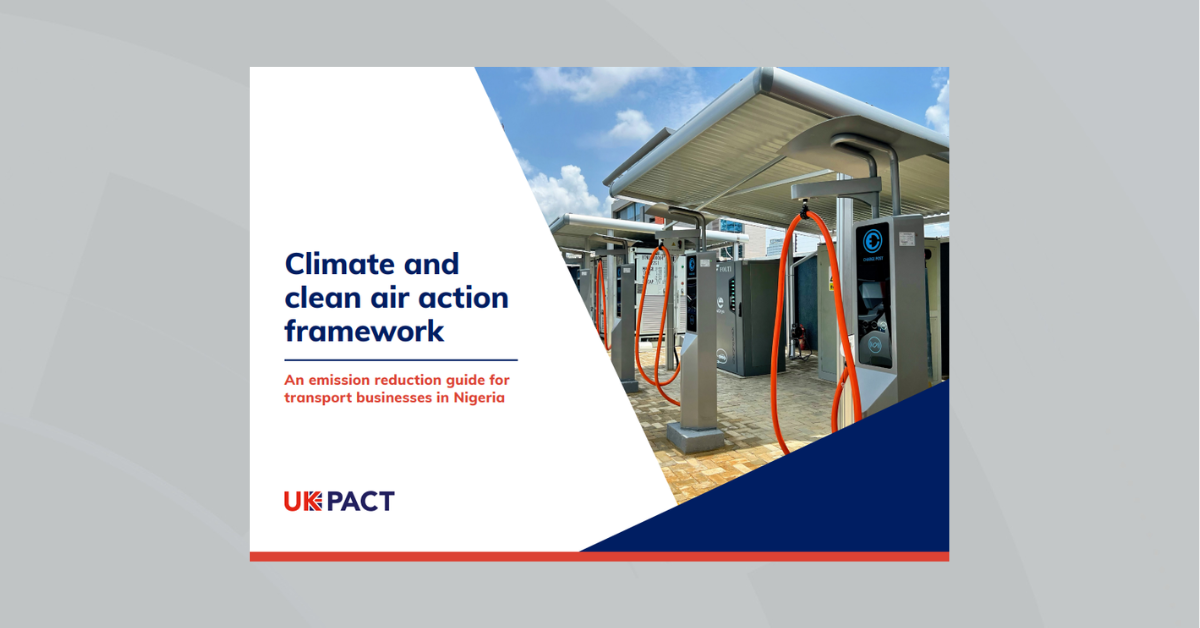
Climate and Clean Air Action Framework for Transport in Nigeria
A practical guide for transport businesses that want to cut emissions, clean up the air they exhaust and become ready…
Transport delivers every SDG. So why doesn’t it have a goal?
At HLPF 2026, water and energy were described as the \'delivery system\' for every other Sustainable Development Goal. But Infrastrucutre,…
Ambition to Impact: The UN Decade of Sustainable Transport Needs Data & Accountability
The world does not lack ambition for sustainable transport. But what it now needs is a shared framework supported by…

Transport is the lever, not the sector
SLOCAT\'s input to the COP30 Presidency roadmap argues By acting on transport systems, the transition away from fossil fuels can…

Transport in the newest NDCs, region by region
Climate ambition is pledged nationally. But transport gets decarbonised in places: in a Pacific port, on a freight corridor between…

From Chile to Ethiopia: the hard part was never the buses
The Climate High-Level Champions have published a new piece tracing two electrification journeys, from Santiago\'s rise to the largest electric…

Transport and Climate Change Briefing Note for SB64 in Bonn.
Executive Summary: Transport at SB64 — What You Need to Know Transport is off-track for 1.5°C but central to delivering…
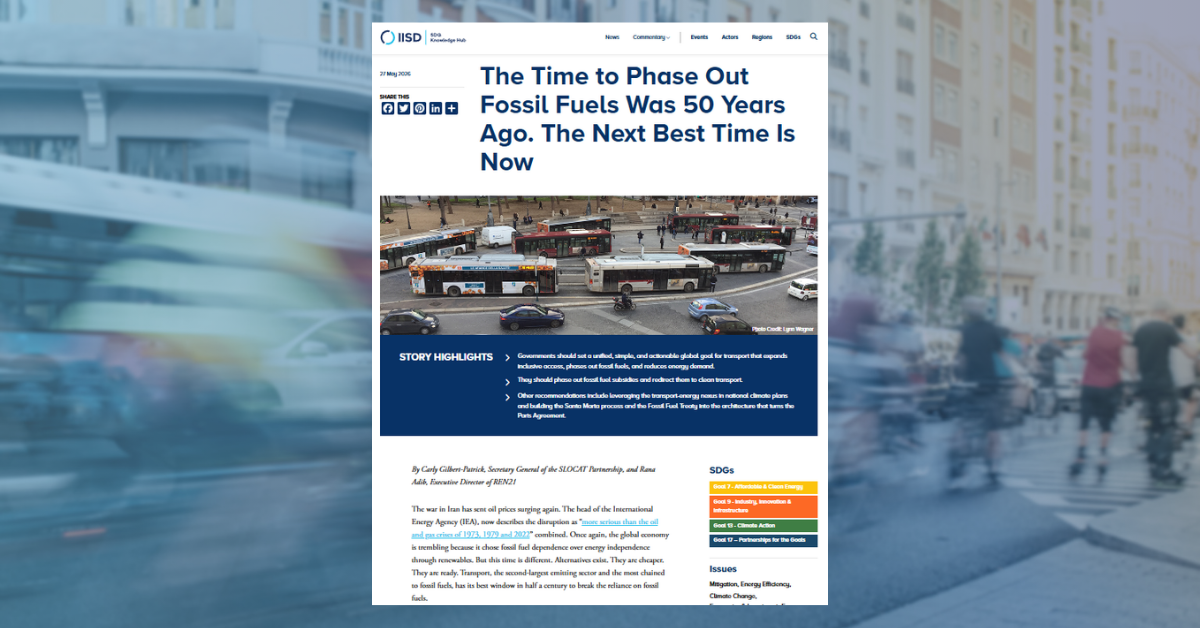
SLOCAT in IISD: the time to phase out fossil fuels was 50 years ago. The next best time is now.
SLOCAT Secretary General Carly Gilbert-Patrick has co-authored a new op-ed for IISD\'s SDG Knowledge Hub with Rana Adib, Executive Director…
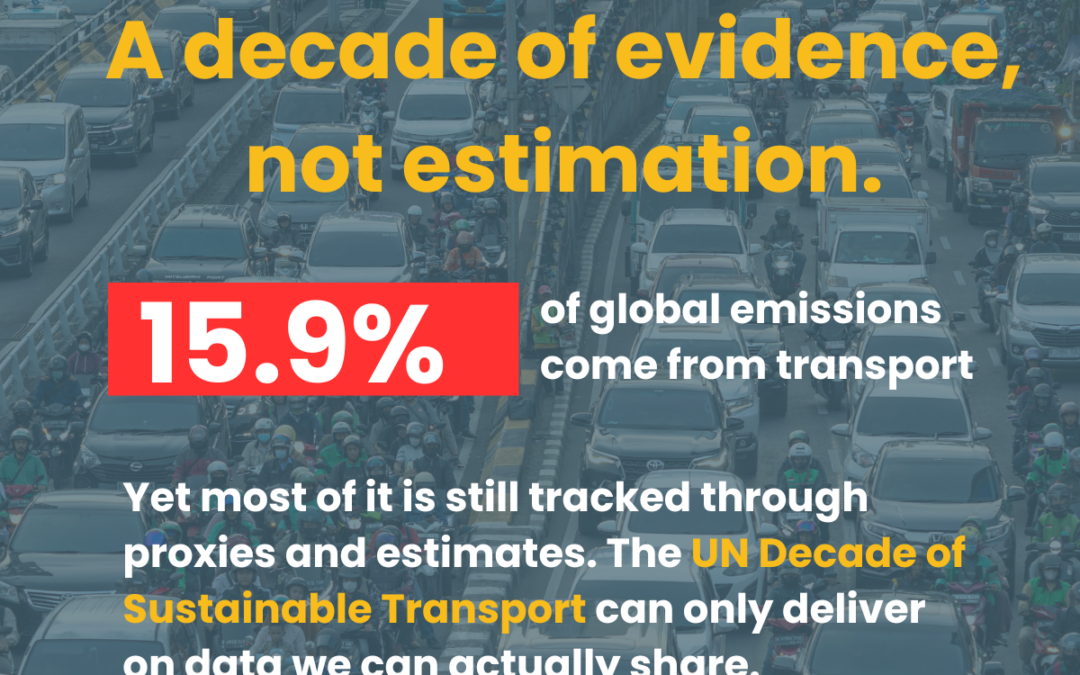
Data and Transparency Deficits Are Slowing Transport Down. The Glasgow Declaration Is the Fix.
A new global declaration on transport data, signed by 42 organisations across five continents, sets out what it will take…
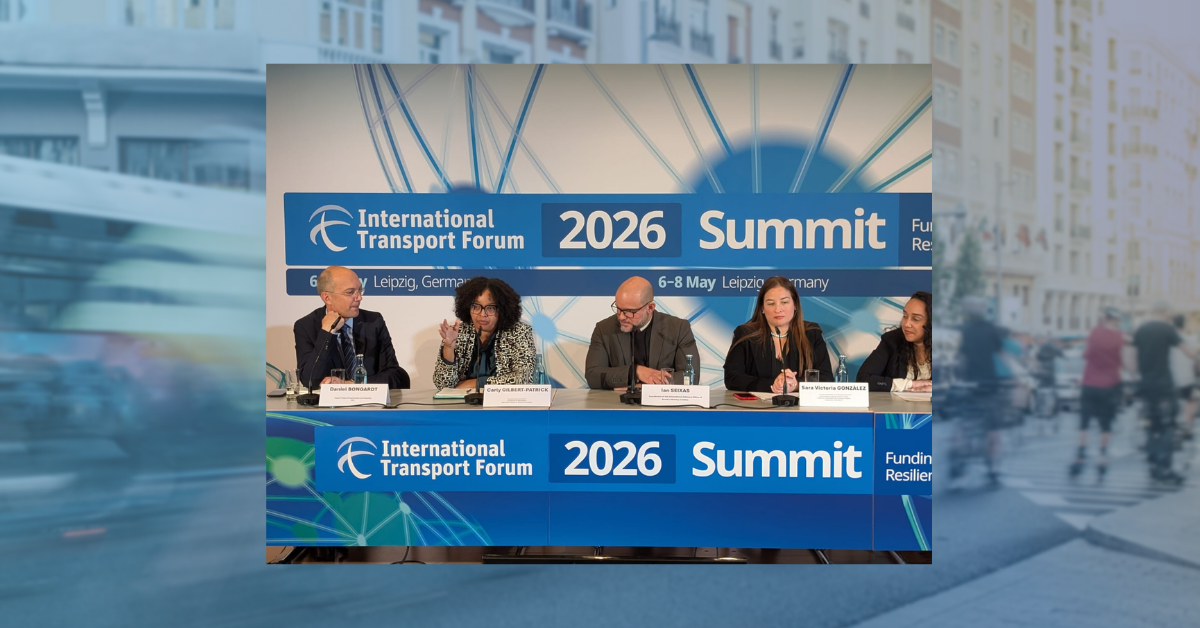
From Leipzig to a Global Goal: SLOCAT at the ITF Summit 2026
The 2026 ITF Summit in Leipzig brought together transport ministers, multilateral institutions, financiers, operators, and civil society around the theme…