Today, with the start of the UK PACT national initiative to strengthen private sector capacity for climate and clean air action, Nigeria takes an important step toward cleaner air and a more climate-resilient economy. This 15-month programme equips businesses, especially in the transport sector, with the tools, finance pathways, and technical support needed to reduce emissions and align with Nigeria’s long-term net-zero and clean air commitments.

A new national initiative has begun to boost how the private sector implements climate and clean air solutions, with a strong focus on the transport sector.
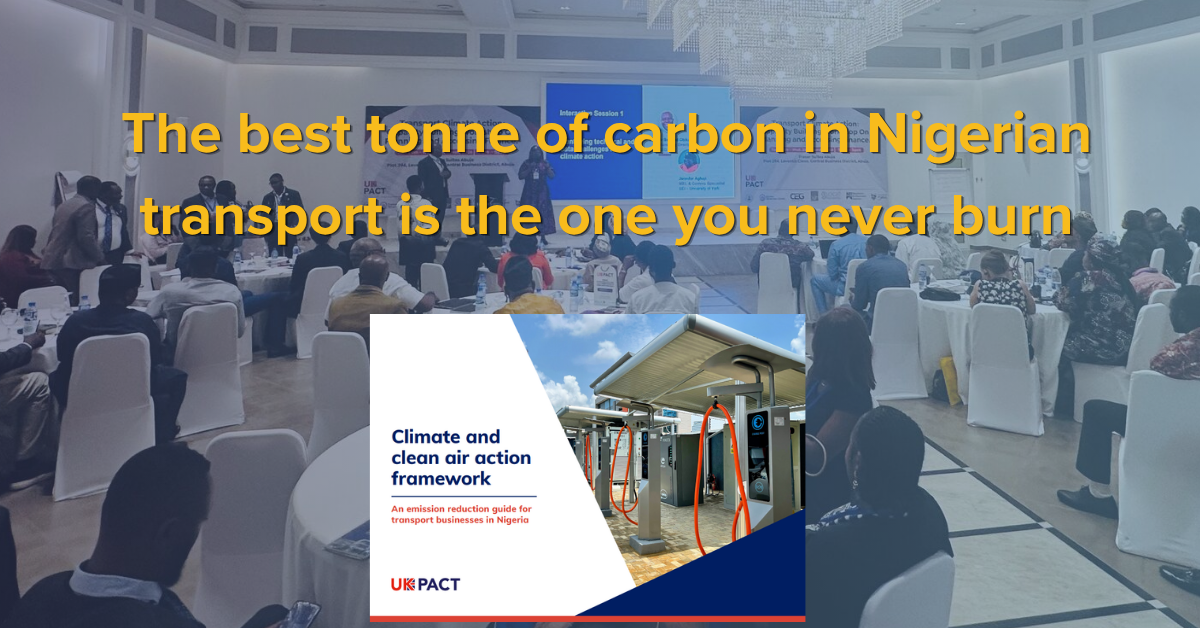
The UK Partnering for Accelerated Climate Transitions (UK PACT) project went live in Abuja today with an event that saw businesses, policymakers, regulators, financial institutions, and civil society actors come together. The first phase of training, engagement and technical support was also initiated, and a further engagement event will follow in Enugu on Thursday (4 December 2025).
Air pollution and greenhouse gas emissions are among Nigeria’s most urgent economic and public health problems. Over 200,000 premature deaths happen each year because of poor air quality. Businesses are both victims of the impact of these issues as well as contributors. The transport sector accounts for over 15% of Nigeria’s greenhouse gas emissions but is ill-equipped to address the issues, including limited technical expertise, unclear regulatory pathways, and restricted access to finance for clean technologies.
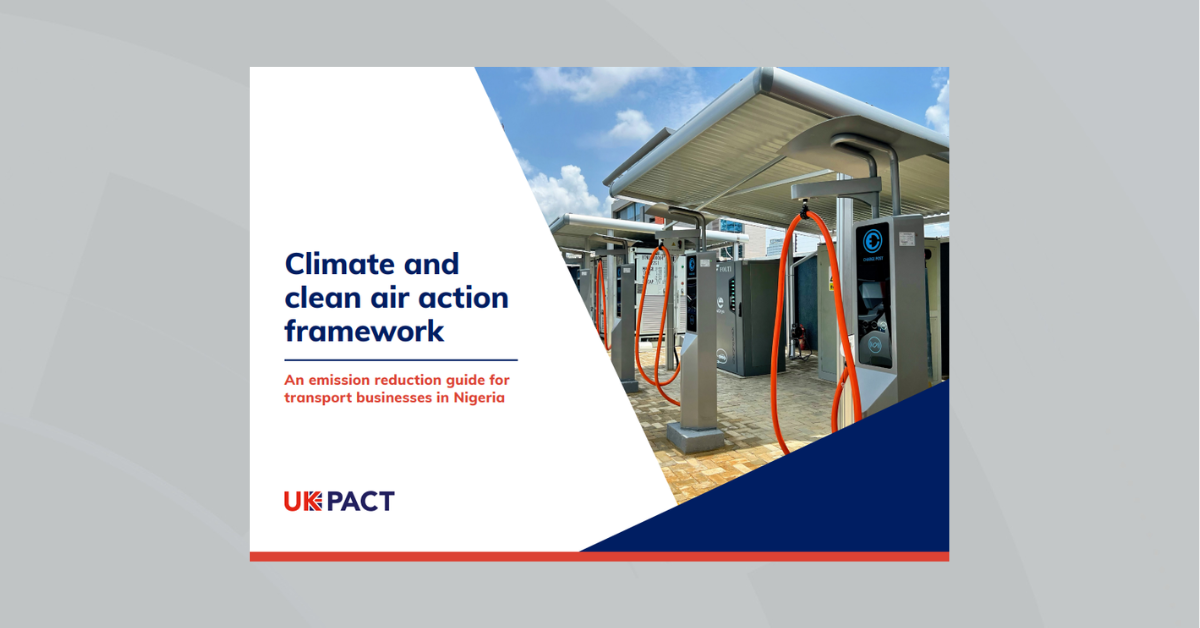
The UK PACT project, titled “Enhancing Private Sector Capacity for Climate and Clean Air Action in Nigeria,” directly addresses these gaps by providing private enterprises with the training, tools, and policy support needed to transition to low-carbon business operations and contribute to national and local air quality improvement.
“The Abuja workshop marks the launch of the project with a clear ambition: to strengthen private sector leadership in driving climate and clean air action in Nigeria. Through international collaboration and the use of state-of-the-art methods, the project will equip Nigerian businesses with the tools, skills, and partnerships they need to deliver meaningful emission reductions and long-term environmental impact”
Gary Haq, Senior Research Associate
Delivered by a consortium led by the University of York – Stockholm Environment Institute (SEI), the initiative brings together international partners with Consulting Engineers Group (CEG) and the SLOCAT Partnership on Sustainable, Low Carbon Transport (SLOCAT), alongside Nigerian partners Escher Silverman Global (ESG) and AP3 Advisory. This is a UK PACT programme – a flagship technical assistance programme of the UK government, supporting partner countries to reduce carbon emissions and accelerate low-carbon, inclusive economic growth.
“Nigeria’s private sector is eager to act on climate and clean air challenges but faces practical barriers, from limited resources to technical gaps. We are excited to begin working closely with companies to equip them with the tools and guidance they need to turn climate ambition into measurable, sustained actions.”
Emmanuel Onwodi, principal expert and lead.
This collaborative project and the foundation laid by these inaugural workshops will support the project’s efforts to improve air quality, reduce emissions and long-term economic resilience across the country.
“This gathering is not just a dialogue; it is the beginning of a stronger partnership between government and industry. It is an opportunity to support businesses to reduce emissions, improve air quality, enhance compliance, and, importantly, remain competitive in a rapidly shifting global marketplace where sustainability is becoming the new standard.”
Senior Special Assistant to the President on Climate Finance and Stakeholder Engagement, Nigeria, Mr Ibrahim A. Shelleng
Press release contacts