The heat in Nigeria is no longer just a topic of casual conversation; it is a lived reality. In a year where the traditional cooling relief of the Harmattan failed to arrive, replaced instead by record-breaking temperatures, the irony of our climate struggle has never been clearer. As the air grows hotter, we retreat into air-conditioned cars and offices, powering up generators to keep the cooling systems running. Yet, this very reliance on fossil fuels to combat the heat only serves to pump more emissions into the atmosphere, trapped in a feedback loop that warms the planet further.
Nigeria’s transport challenge and opportunity
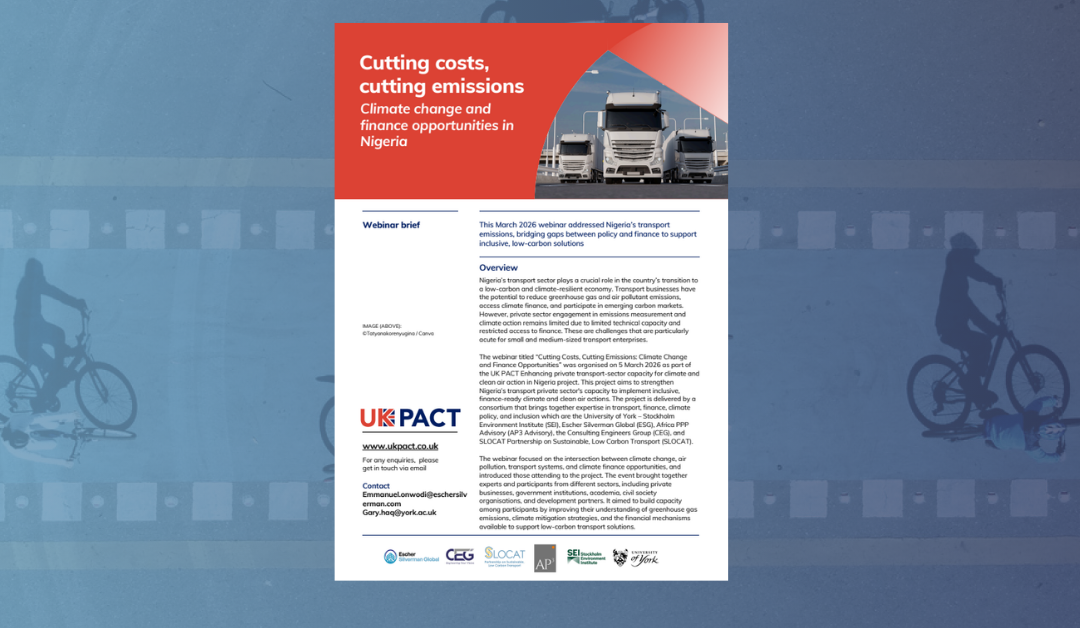
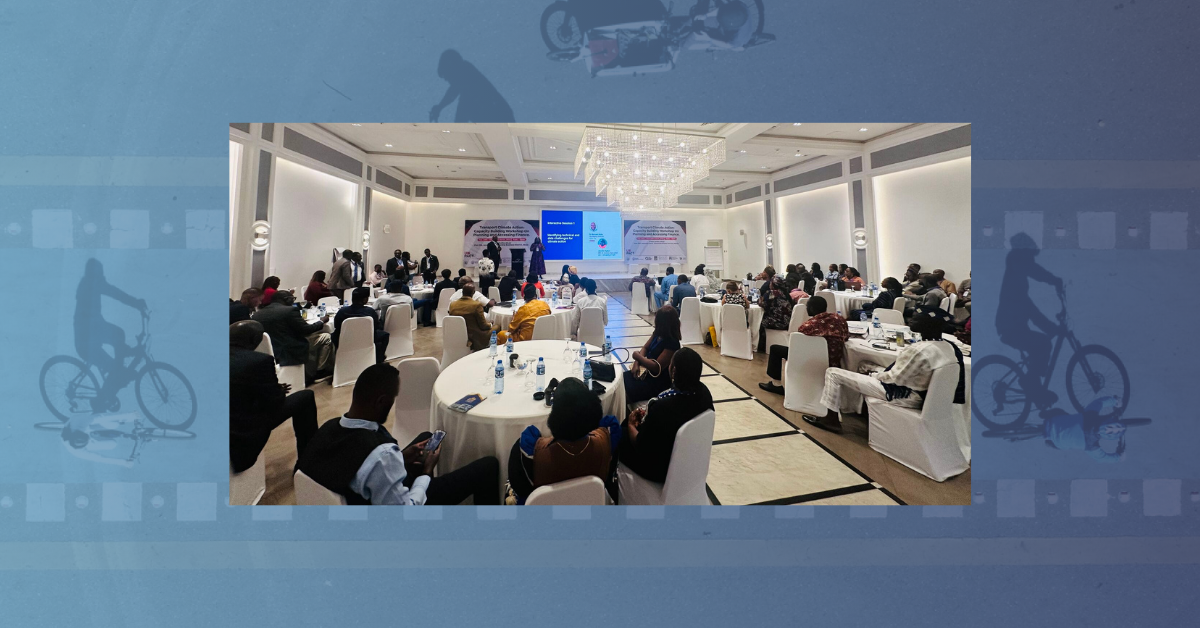
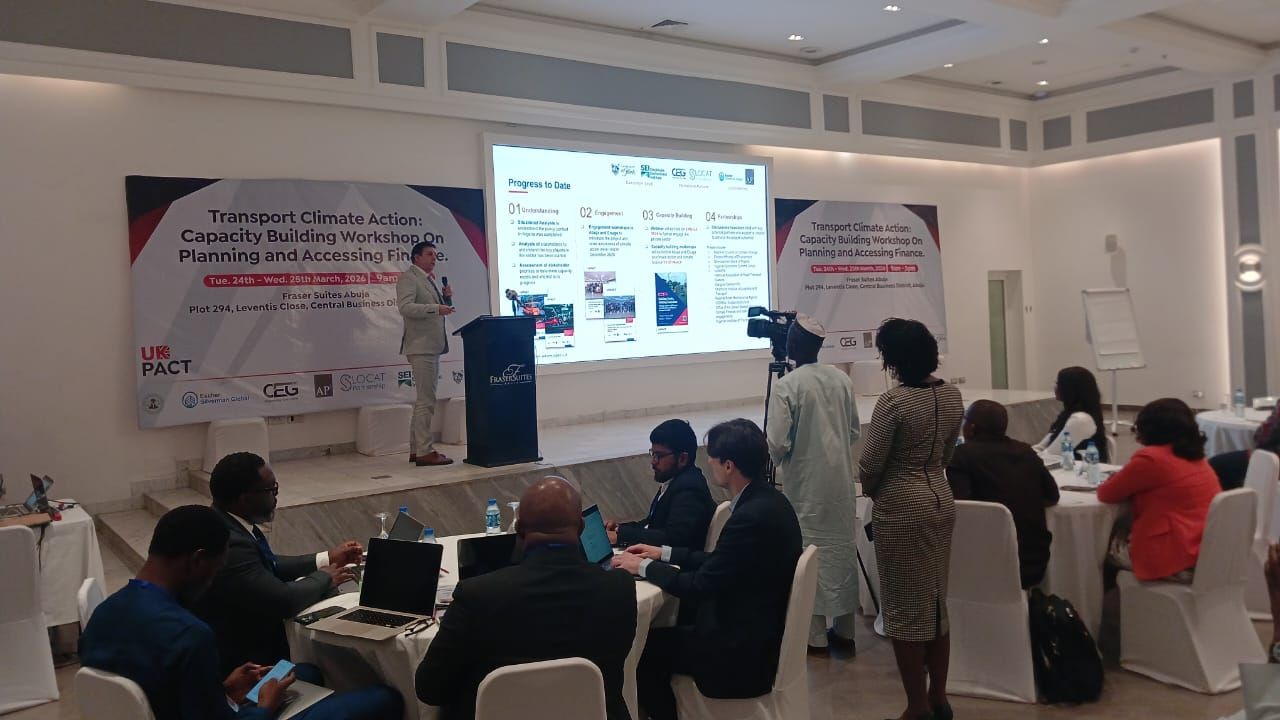
Against this backdrop of environmental challenges and the need for decarbonizing transport activities, the UK PACT (Partnering for Accelerated Climate Transitions) program recently convened a series of workshops. Titled “Transport climate action in Nigeria: planning and accessing finance,” the events took place in Abuja (March 24–25, 2026) and Enugu (March 26–27, 2026). Under the Enhancing private sector capacity for climate and clean air action in Nigeria project, the workshops aimed to build the capacity of the private sector, especially small and medium-scale enterprises (SMEs), with the tools in support of the nation’s transport decarbonization agenda.
As Grace Bell, First Secretary for Economic Development and Digital at the UK Foreign, Commonwealth & Development Office (FCDO), noted in her opening remarks, “Our work is not just about climate; it is about partnering with Nigeria to create jobs and broaden prosperity… The work you are doing here—strengthening technical and financial capacity—is exactly what is needed to turn ambition into bankable, finance-ready projects that can attract real capital.” This is also happening as President Tinubu of Nigeria approved the expansion of the Presidential Initiative on Compressed Natural Gas to include electric vehicles, and not only gas-powered vehicles, in March 2026.

Building climate action plans
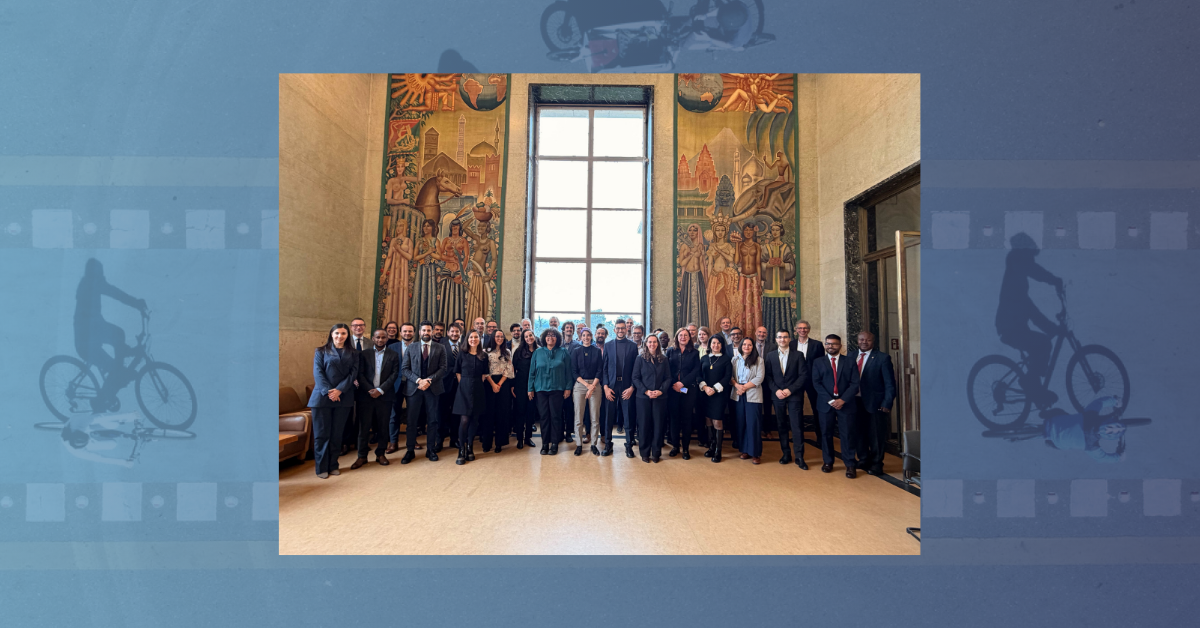
The demand for climate solutions is at an all-time high. While the workshop organizers initially planned for a smaller cohort, over 200 businesses and stakeholders expressed interest, with a final joint attendance of approximately 150 participants across both cities. Participants included business owners, financial institutions, government representatives, and civil society actors. The emphasis on practicality defined the sessions. Rather than focusing solely on policy, the workshops explored real-world solutions businesses can implement immediately.
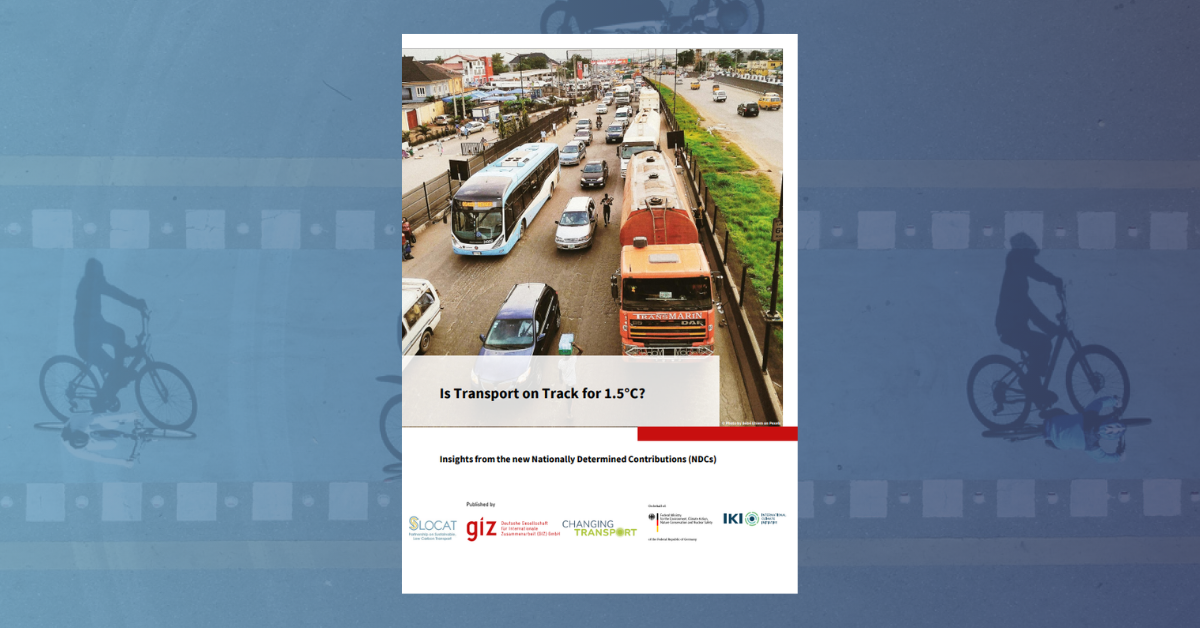
The first day focused on the “how-to” of emissions reduction. Transport is the third-largest GHG-emitting sector in Nigeria, contributing 15% of national economy-wide GHG emissions in 2023. Transport energy consumption is 100% oil products. Transport GHG emissions were 59.0 million tonnes of CO2 equivalent in 2023. Participants received a practical seven-step framework for Climate Action Planning (CAP) and were encouraged to “start where they are” in measuring emissions within their businesses.
Accessing climate finance
The financial gap is stark: while Nigeria mobilized $2.5 billion for climate action in 2021/22, the transport sector received only $215 million. To meet national goals, an estimated $29.7 billion is needed annually. With speakers from the Bank of Industry, the Development Bank of Nigeria (DBN), and the Nigeria Sovereign Investment Authority (NSIA), the key takeaways from the finance sessions included:
- Bankability standards: Lenders are not just looking for “green” projects; they are looking for “sponsor character,” a proven track record, and standardized data. Projects must be “bankable” to secure debt or equity. To help SMEs bridge this gap, the workshop explained the Bankability Checklist featuring six critical screening criteria:
- Strategic alignment: Projects must link directly to Nigeria’s NDC transport targets to reduce regulatory risk.
- Environmental & Social Safeguards (ESS): Evidence of community consultation and gender/social inclusion (GEDSI) analysis
- Credible climate rationale: Vague claims are rejected; businesses must quantify the specific emissions avoided using accepted methodologies.
- Economic case: A robust cost-benefit analysis showing an Economic Internal Rate of Return (EIRR) is essential.
- Management capacity: Investors prioritize the experience and track record of project managers.
- MRV and data readiness: Credible Monitoring, Reporting, and Verification frameworks must be established before capital is committed.
- De-risking investments: Using blended finance and guarantees to make the Nigerian transport market more attractive to commercial banks.
- Vendor financing: A popular recommendation was for fleet owners to negotiate directly with equipment suppliers for partial financing, showing “skin in the game” to traditional lenders.
- Securing successful investment: Securing successful investment requires a systematic approach with diverse stages of development, which supports project progression and resource allocation.
Sub-national leadership: the Enugu example
The choice of Enugu as a host city was a strategic nod to its role as a sub-national climate leader. In 2025, Enugu became the first Nigerian state to adopt a science-based Climate Policy and Action Plan (ESCPAP).
In a speech delivered on behalf of His Excellency, Governor Peter Ndubuisi Mbah, Chukwudi Amah Esq., the Head of Legal, Focal Office on Donor Relations and World Bank Projects, highlighted the state’s bold vision: an 80% transition of public fleets to low-carbon alternatives by 2050.
“The transition to a low-carbon transport sector will not happen through government action alone. The private sector is indispensable. Transport businesses, logistics operators, fleet owners, and technology providers are the ones who will translate climate targets into operational reality.”
The workshops in Abuja and Enugu highlight a critical shift in Nigeria’s climate journey. The focus is moving from high-level commitments to practical, business-driven action. Participants also emphasized that inclusion is not just ethical, but it is economically smart as it brings more people into the system, which strengthens governance and economic outcomes.
As the world watches Nigeria’s progress, the success of these workshops proves that the appetite for change is present. By turning climate ambition into bankable reality, Nigeria’s private transport sector can lead the way toward a cooler, cleaner, and more prosperous future.
UK PACT’s Enhancing Private Sector Capacity for Climate and Clean Air Action in Nigeria is a year-long programme strengthening organisations’ capacity and collaboration to speed up climate and clean air action in Nigeria’s transport sector.
This national initiative is led by the University of York–Stockholm Environment Institute (UK) in close co-leadership with Nigerian and international partners — including Escher Silverman Global (ESG), Africa PPP Advisory (AP3), Consulting Engineers Group (CEG) and the SLOCAT Partnership on Sustainable, Low Carbon Transport.