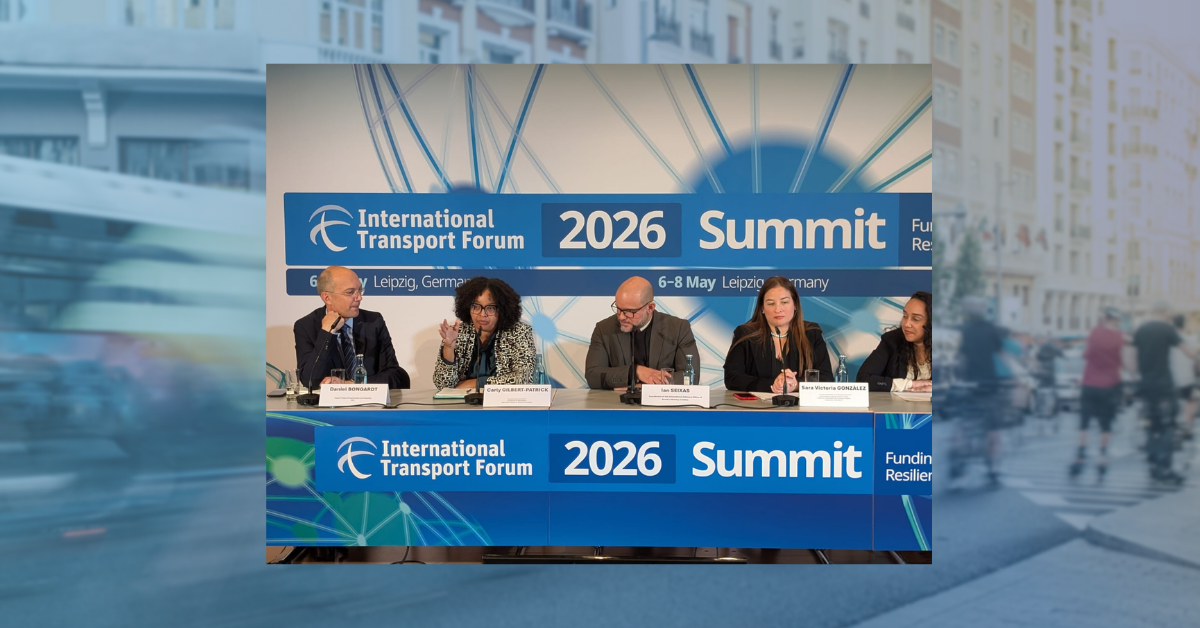
The Fifth Executive Board meeting of the Asian Majors Forum (AMF) took place in Tehran and Qazvin, Iran, from 29 August-1 September 2015. The meeting brought together Mayors and delegates from Afghanistan, Pakistan, Kyrgyzstan, Kazakhstan, Lebanon, Palestine, South Korea, Thailand, Jordan, China, India, Armenia, Iraq, Turkey and Bangladesh with the purpose to exchange views and explore effective solutions to common urban challenges. Traffic and transportation were part of the major focus of the Forum along with other urban challenges such as culture and urban tourism.
During the opening ceremony of the Forum, Joan Clos, Executive Director of the UN-Habitat, stated that while urbanization has helped economic development and social well-being, cities still face traffic congestion, air pollution, lack of basic services such as water and sanitation, and vulnerability to floods, earthquakes and other disasters.
Clos urged for better planning in advance of growth and migration, including through integrating public transportation with options for walking and cycling, and said that technological advancements made “electric mobility” possible in cities. Clos invited mayor to support UN-Habitat’s Urban Electronic Mobility Initiative, which has a target to raise the share of electric vehicles to 30% of total urban travel by 2030 in the context of better urban planning and a transition to clean source of energy.
The Asian Mayors Forum (AMF) first met in 2008 with aims to raise cooperation and partnership levels among municipalities, create better environments for balanced urban developments emphasizing the dignity of all citizens, work towards cultural and social integrity among the citizens of member cities and offer better solutions for resource allocation towards optimizing urban development.
The Fifth Forum included three technical parallel sessions on: the Traffic and Transportation Committee of Asian Cities; the culture and economy of urban tourism in Asian Cities; and the Cultural Committee of United Cities and Local Governments Middle East and West Asia Section (UCLG-MEWA). Each technical session included a half-day training workshop and technical visits to projects in the field.
For the AMF’s press release please see here,
For UN-Habitats press release please see here.